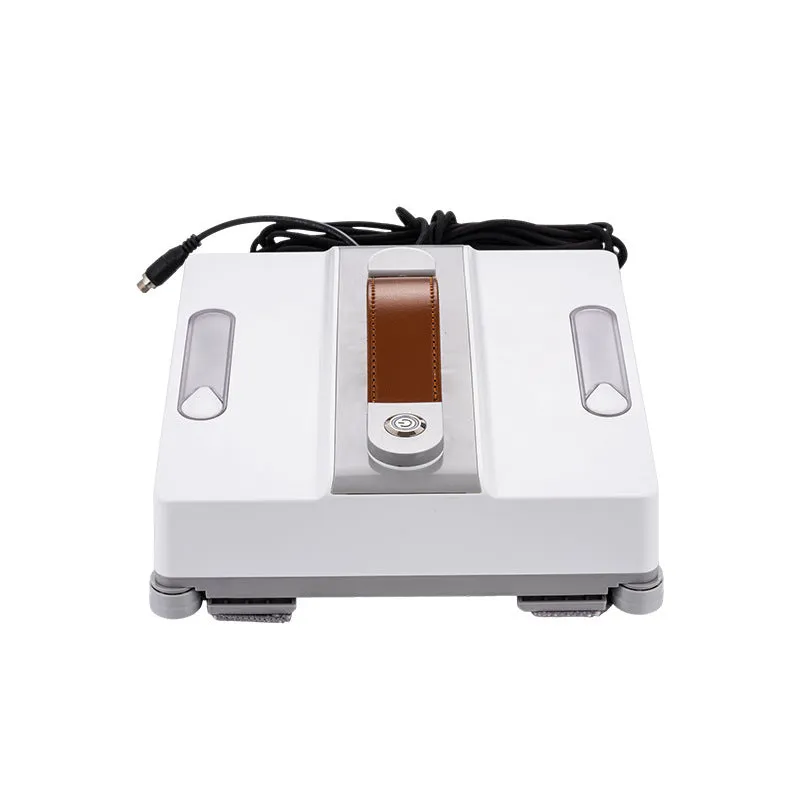
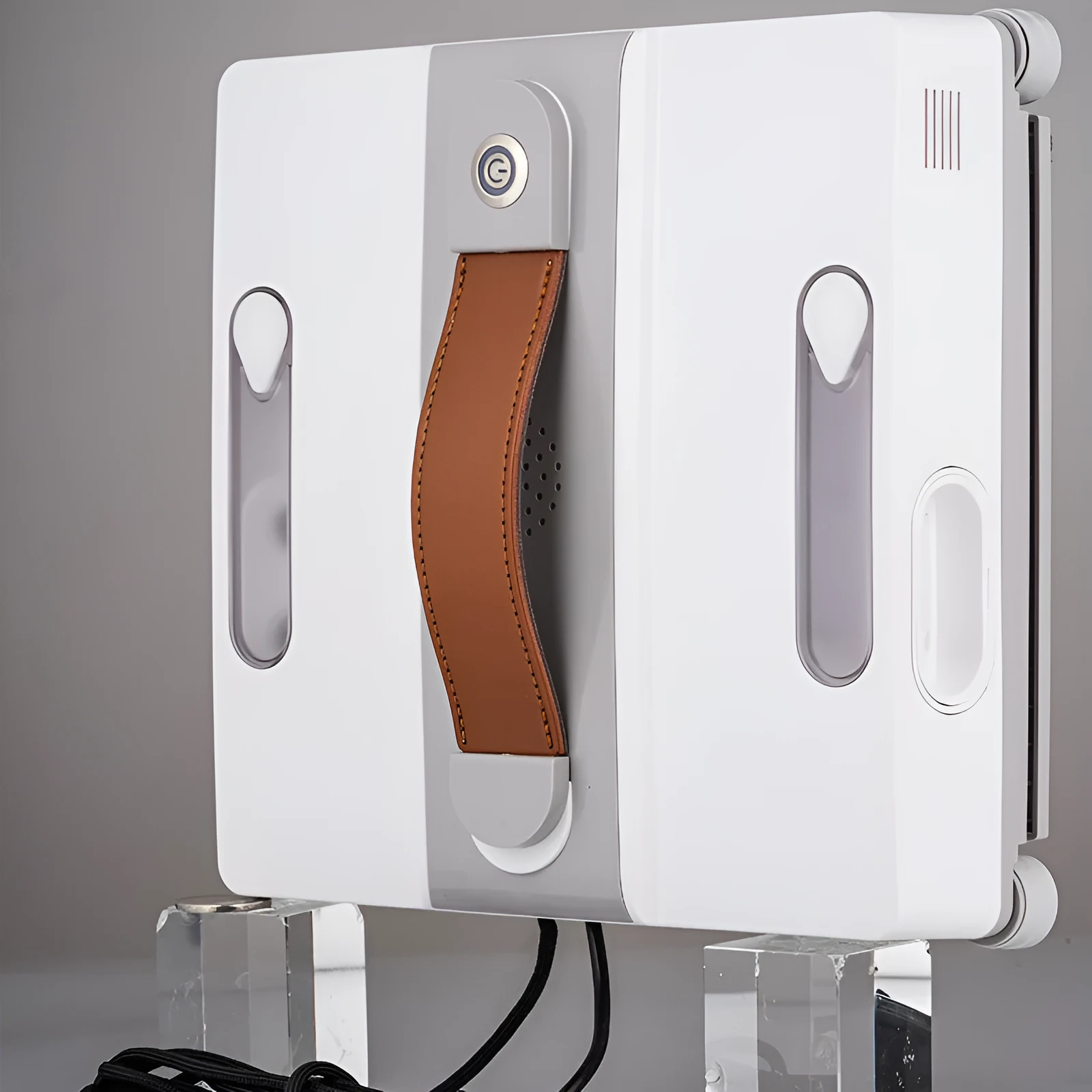
Window cleaning robot white 220x220mm high-rise window washing device with four water spray nozzles featuring random cleaning routine programmable via mobile app for UK electrical outlets


Window cleaning robot white 220x220mm high-rise window washing device with four water spray nozzles featuring random cleaning routine programmable via mobile app for UK electrical outlets
White 220mm Window Cleaning Robot with Four Water Sprays for High-Rise Windows

Maintaining the exterior windows of high-rise buildings or difficult-to-access conservatories presents a consistent cleaning challenge. This intelligent window cleaning robot offers a hands-free solution, designed to navigate glass surfaces with a programmed routine. Measuring 220mm square, it provides a practical automated cleaning option where manual washing is impractical or unsafe. The unit connects to UK electrical systems and pairs with a dedicated mobile app, placing control in the user's hand without the need for ladders or professional services for every clean.
Features and Construction
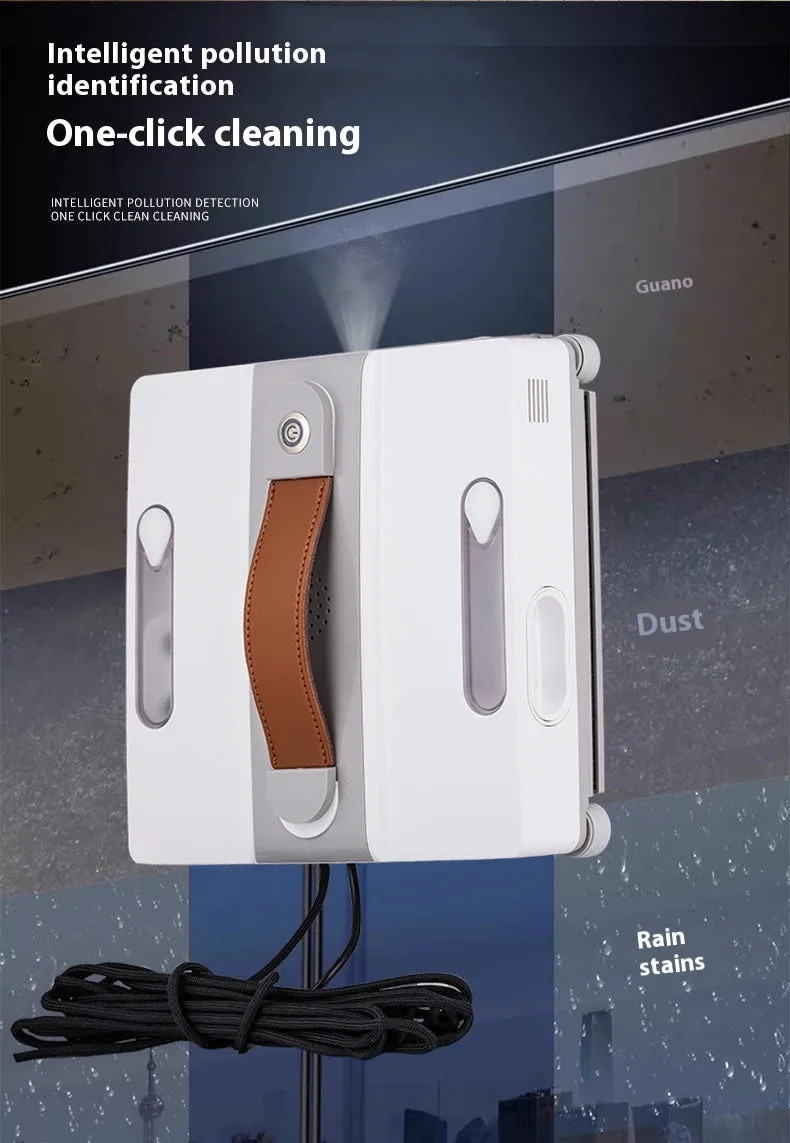
The core design integrates several functional elements to perform its cleaning task. Its operation is centred on a systematic cleaning pattern and a liquid delivery system to aid in removing dirt and grime.
Material and Build
As an electronic cleaning appliance, the robot is constructed from durable plastics housing its motor, battery, and control circuitry. The exterior is finished in a uniform white colour. The build incorporates four water spray nozzles, which are a key functional component for applying cleaning solution or water to the window surface during its operation cycle.
Size and Practical Fit
With dimensions of 220mm in width, 220mm in height, and 70mm in depth, the robot has a compact form factor. This size allows it to be stored easily when not in use and ensures it can manoeuvre on a typical window pane without excessive overhang. The 70mm profile suggests a relatively slim device, which may contribute to stability on the glass surface during use.
Uses and Placement

The robot's application is focused on vertical glass surfaces, particularly those that are challenging to reach manually. Its design parameters make it suitable for both occasional and regular maintenance schedules.
Event or Professional Use
For commercial settings like office buildings or apartment blocks with extensive glazing, the robot can be deployed as part of a regular maintenance routine to keep windows presentable. It reduces the frequency and associated cost of hiring specialist abseiling cleaning teams for standard washes. Property managers can schedule cleans via the app to maintain a professional appearance for tenants and visitors.
Everyday Home Use
In a residential context, it addresses the difficulty of cleaning upper-floor windows, skylights, or garden room glass. Homeowners can use it to maintain clarity and brightness without resorting to precarious ladder work. It is particularly useful for conservatories or sunrooms with large glass panels, where internal access is available but external cleaning is cumbersome.
Benefits and Buying Value
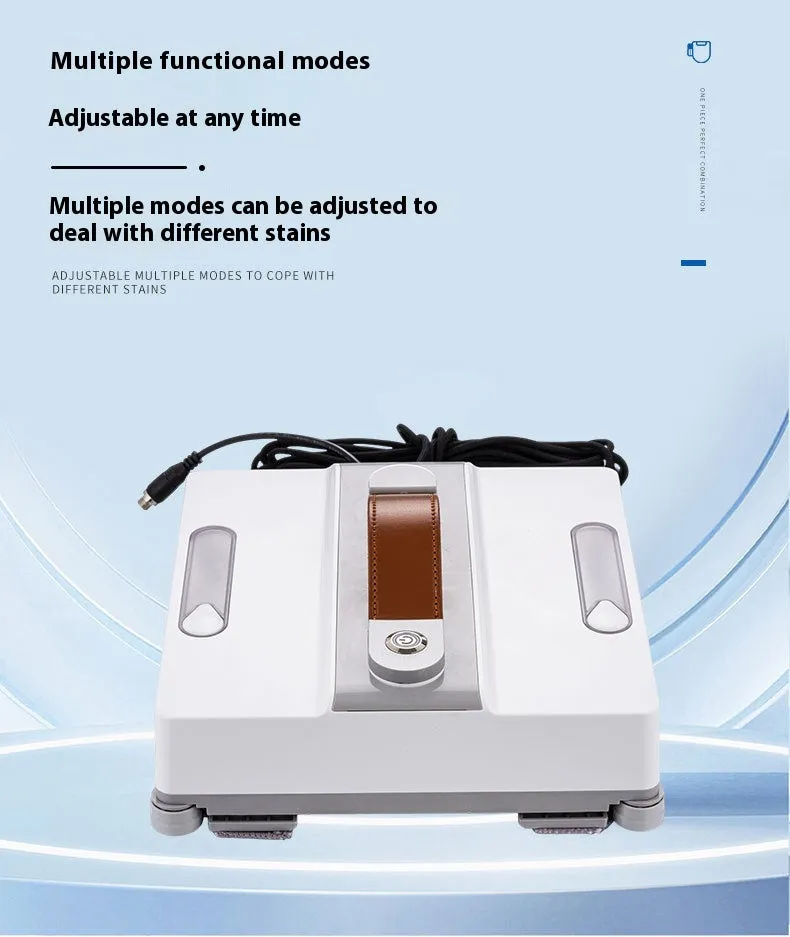
The value proposition lies in automating a specific, often disliked chore, thereby saving time and enhancing safety. Its reusable nature and straightforward operation contribute to its practicality.
Reuse and Low Maintenance
As a durable electrical appliance, the robot is designed for multiple uses over time. Maintenance is likely limited to basic care such as keeping the spray nozzles clear, charging the battery, and ensuring the suction mechanism or grip pads are clean. This reuse model contrasts with the recurring expense of professional cleaning services for each individual window wash required.
Why Choose This Product
This product provides a concrete solution where the primary alternative is manual labour or contracting a service. It gives the user direct control via a smartphone app, allowing cleaning to be initiated at convenience. The inclusion of four water sprays is a functional differentiator that actively assists the cleaning process rather than relying solely on a dry wipe. When considering models, the choice between Basic, Medium, and Top specifications should be based on the desired level of features and control, though specific differences are not enumerated.