WiFi Node Module Temperature and Humidity Sensor DHT11 with Battery Power Support for Home Environment Monitoring IoT Smart Devices and DIY Electronics Projects Compact 25mm x 21mm Design


WiFi Node Module Temperature and Humidity Sensor DHT11 with Battery Power Support for Home Environment Monitoring IoT Smart Devices and DIY Electronics Projects Compact 25mm x 21mm Design
DHT11 WiFi Node Module for Temperature and Humidity Monitoring with Battery Power Support
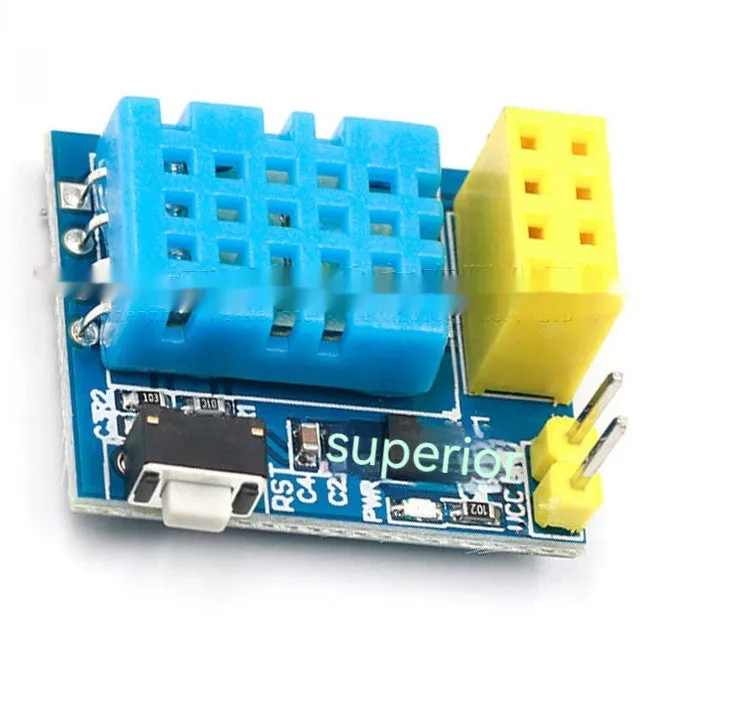
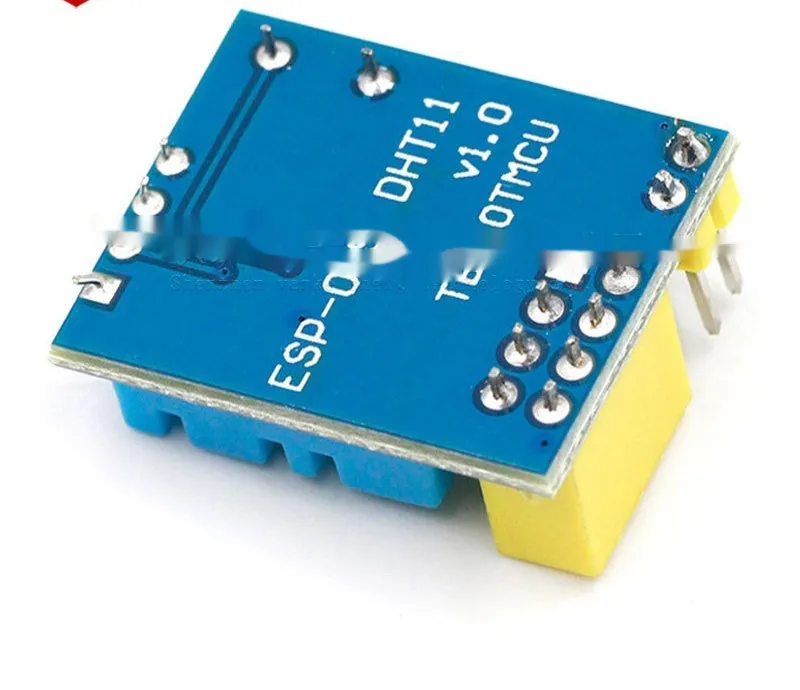
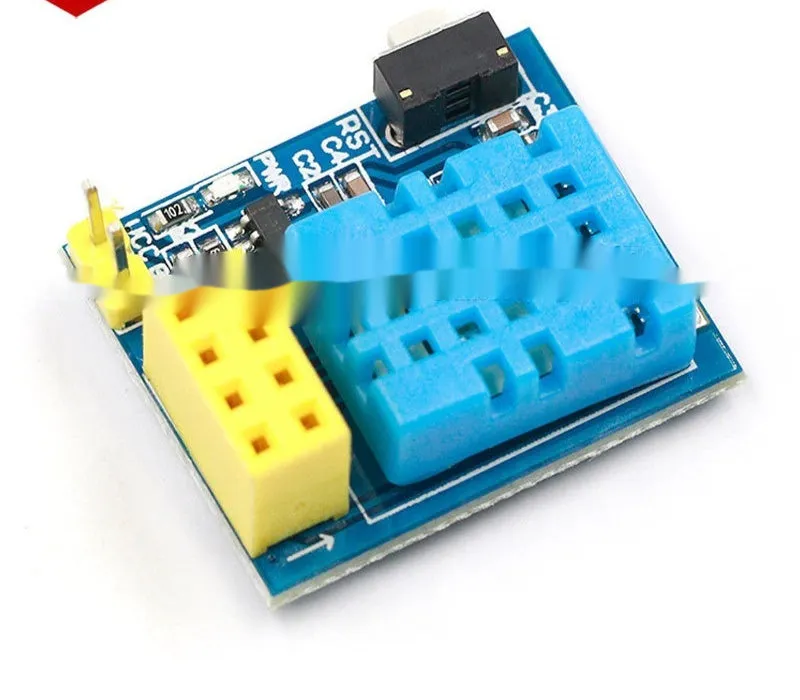
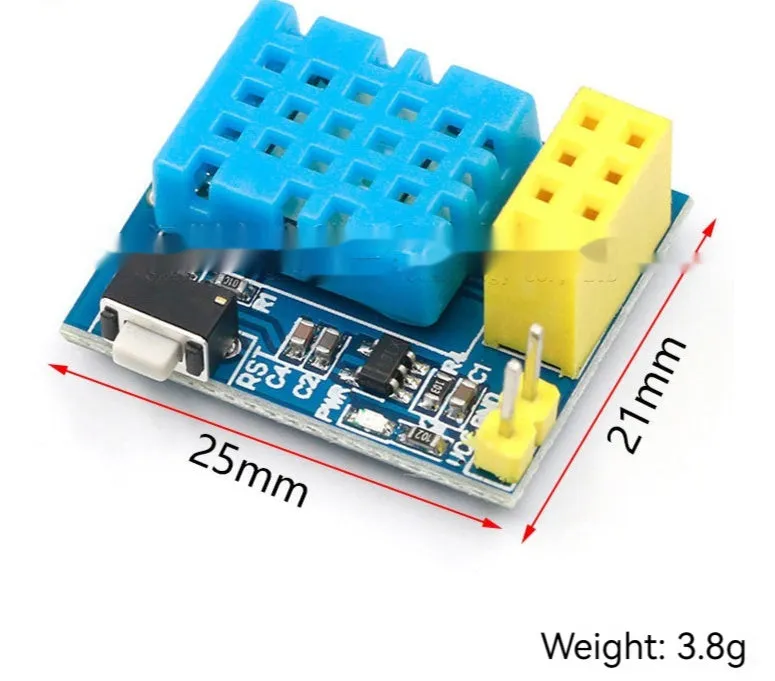
This compact WiFi node module integrates the DHT11 temperature and humidity sensor into a wireless monitoring solution suitable for home environment tracking, IoT applications, and DIY electronics projects. Measuring just 25mm by 21mm and weighing 3.8g, the module offers practical environment monitoring capabilities without requiring extensive installation space or complex wiring. With its ability to operate on a wide voltage range from 3.7V to 12V DC, including support for 3.7V lithium battery power supplies, this single-group power module provides flexibility for various deployment scenarios where mains power may not be readily available.
Features and Construction
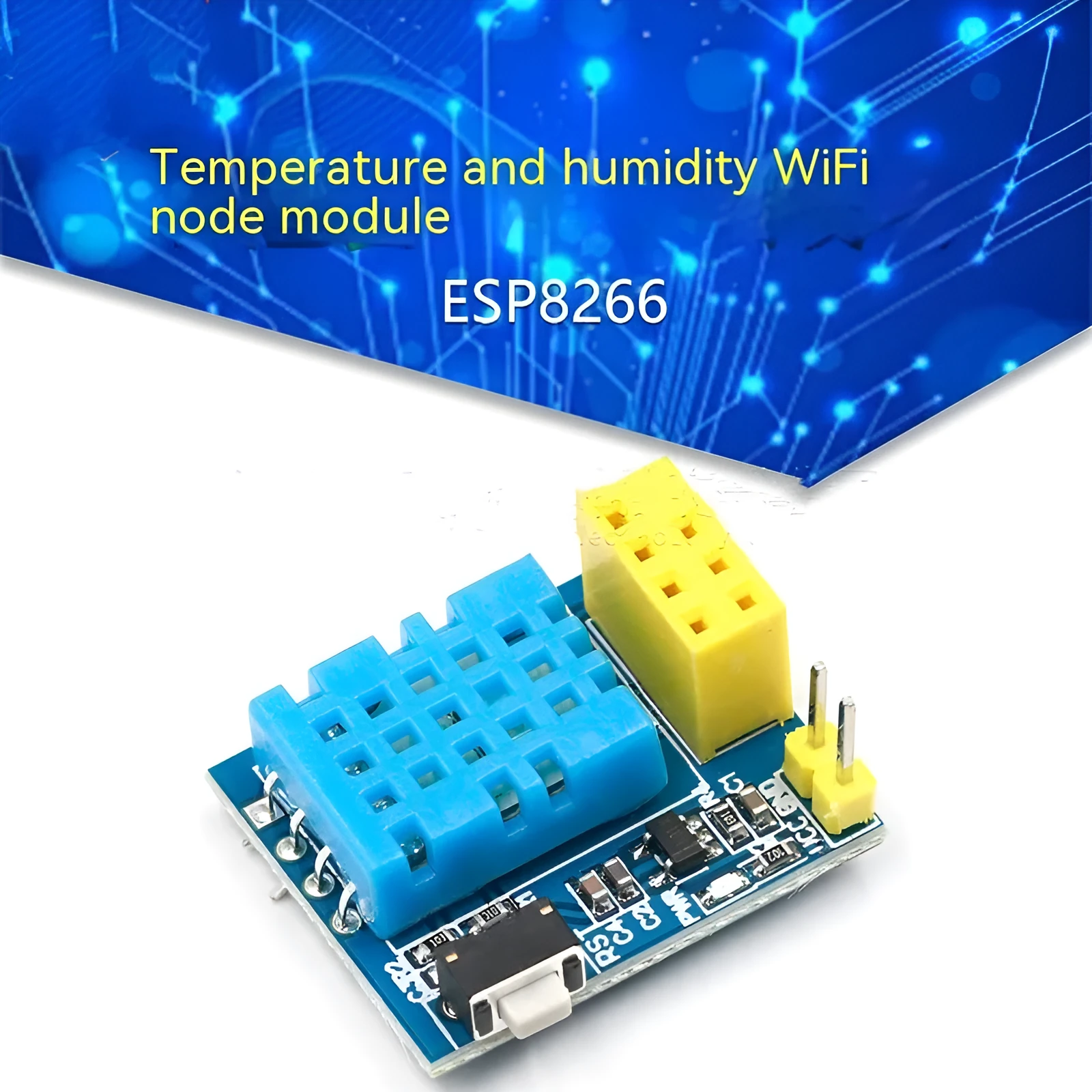
The WiFi node module combines sensor technology with wireless connectivity in a compact package designed for integration into monitoring systems and smart devices. This section examines the module's construction and operational characteristics based on the available specifications.
Material and Build
The module incorporates electronic components including the DHT11 temperature and humidity sensor on a circuit board designed for reliable operation within specified measurement ranges. The power module components are configured to accept DC voltage inputs from 3.7V to 12V, providing compatibility with various power sources including battery setups. The construction focuses on functional electronic components rather than decorative housing, making it suitable for integration into larger systems or custom enclosures.
Size and Practical Fit
With dimensions of 25mm by 21mm and a weight of 3.8g, the module occupies minimal space when integrated into electronic projects or IoT devices. This compact form factor allows for installation in constrained locations while maintaining full sensor functionality. The small footprint makes it particularly suitable for DIY electronics projects where component space is limited or for integration into existing devices without requiring significant redesign of housing or mounting arrangements.
Uses and Placement
The WiFi node module serves multiple monitoring applications through its temperature and humidity sensing capabilities combined with wireless data transmission. Understanding its operational parameters helps determine suitable placement and integration approaches.
Event or Professional Use
For professional monitoring applications, the module's DHT11 sensor provides temperature readings from 0°C to 50°C and humidity measurements from 20% to 90% relative humidity, covering typical indoor environment ranges. The WiFi connectivity enables integration into larger monitoring networks where multiple sensors transmit data to central collection points. This allows for distributed environment monitoring across different areas or rooms without requiring extensive wiring infrastructure between sensor locations and data collection systems.
Everyday Home Use
In residential settings, the module offers practical temperature and humidity monitoring for areas where environmental conditions matter, such as living spaces, utility rooms, or storage areas. The wireless operation eliminates the need for running cables through living areas, while the support for battery power enables placement in locations without convenient power outlets. Home users can monitor conditions remotely via connected devices, receiving updates on temperature and humidity levels without needing to physically check different areas of the property.
Benefits and Buying Value
The WiFi node module provides specific advantages for environment monitoring applications through its combination of sensor capabilities, wireless connectivity, and flexible power requirements. These benefits translate into practical value for users with monitoring needs.
Reuse and Low Maintenance
The module's electronic construction requires minimal maintenance beyond appropriate power supply and network connectivity. With no moving parts in the sensing mechanism, the DHT11 sensor offers reliable operation within its specified measurement ranges. The WiFi connectivity reduces physical intervention needs once configured, allowing continuous monitoring without manual data collection. This design supports long-term deployment in monitoring applications where regular access for maintenance may be limited or inconvenient.
Why Choose This Product
This WiFi node module provides a complete wireless monitoring solution in a single compact unit, eliminating the need to source and connect separate sensor, power, and communication components. The integrated design with specified measurement ranges and power requirements offers a predictable solution for temperature and humidity monitoring projects. For users requiring environment data collection with wireless transmission capabilities, this module provides a functional starting point that can be customized or integrated according to specific application requirements while operating within documented specifications.