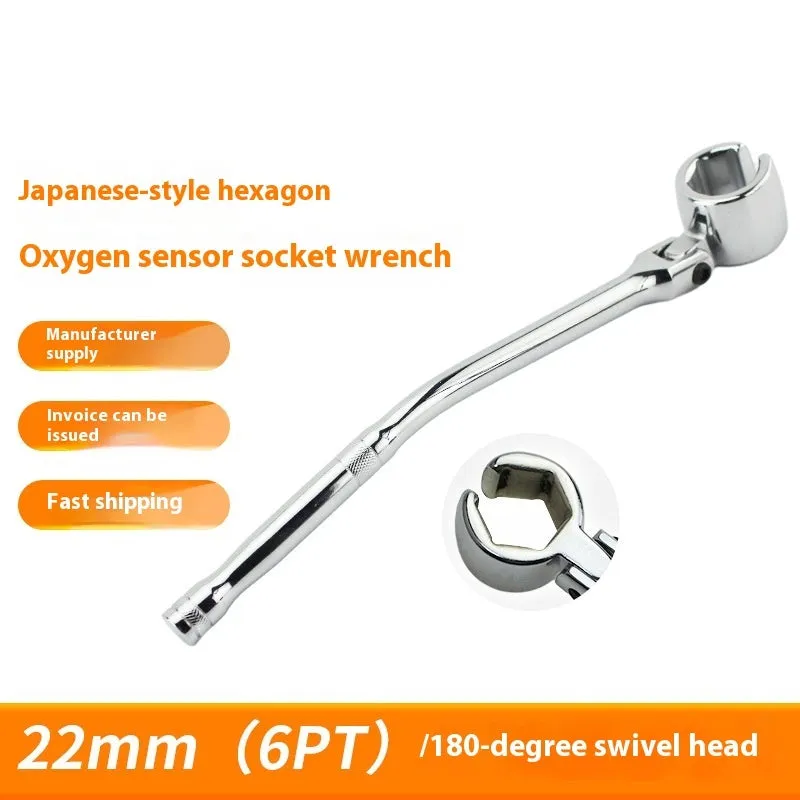
Circular socket wrench 22mm hexagonal oxygen sensor removal tool crafted from chromium vanadium steel with a full chrome-plated finish and 270mm total length for professional automotive maintenance and oxygen sensor replacement.


Circular socket wrench 22mm hexagonal oxygen sensor removal tool crafted from chromium vanadium steel with a full chrome-plated finish and 270mm total length for professional automotive maintenance and oxygen sensor replacement.
22mm Hexagonal Oxygen Sensor Socket Wrench for Secure Removal and Automotive Servicing
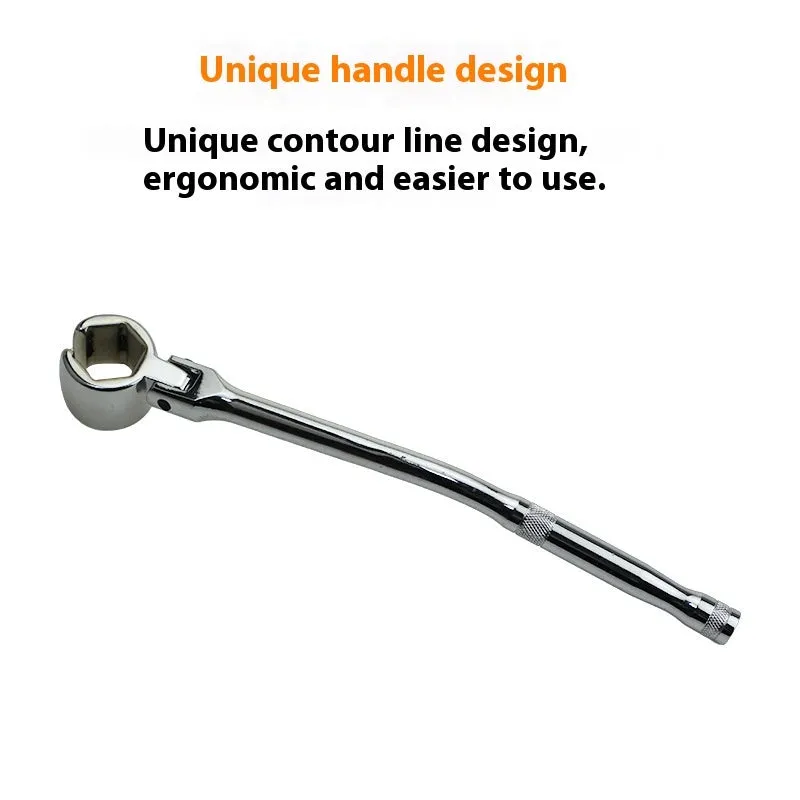
Removing a seized or tightly fitted oxygen sensor from an exhaust manifold or downpipe is a frequent challenge in automotive repair, often risking damage to the sensor's hexagonal housing. This 22mm circular socket wrench is engineered specifically for this task, providing a precise tool to facilitate safe disassembly. Its dedicated design ensures a full, secure engagement with the sensor's standard 22mm hexagonal bung, minimising the chance of slipping and rounding the edges, which can turn a routine replacement into a complex extraction job. The tool's specifications and material choices are focused on delivering the necessary combination of fit, strength, and leverage for professional and DIY garage use where reliable sensor removal is required.
Features and Construction
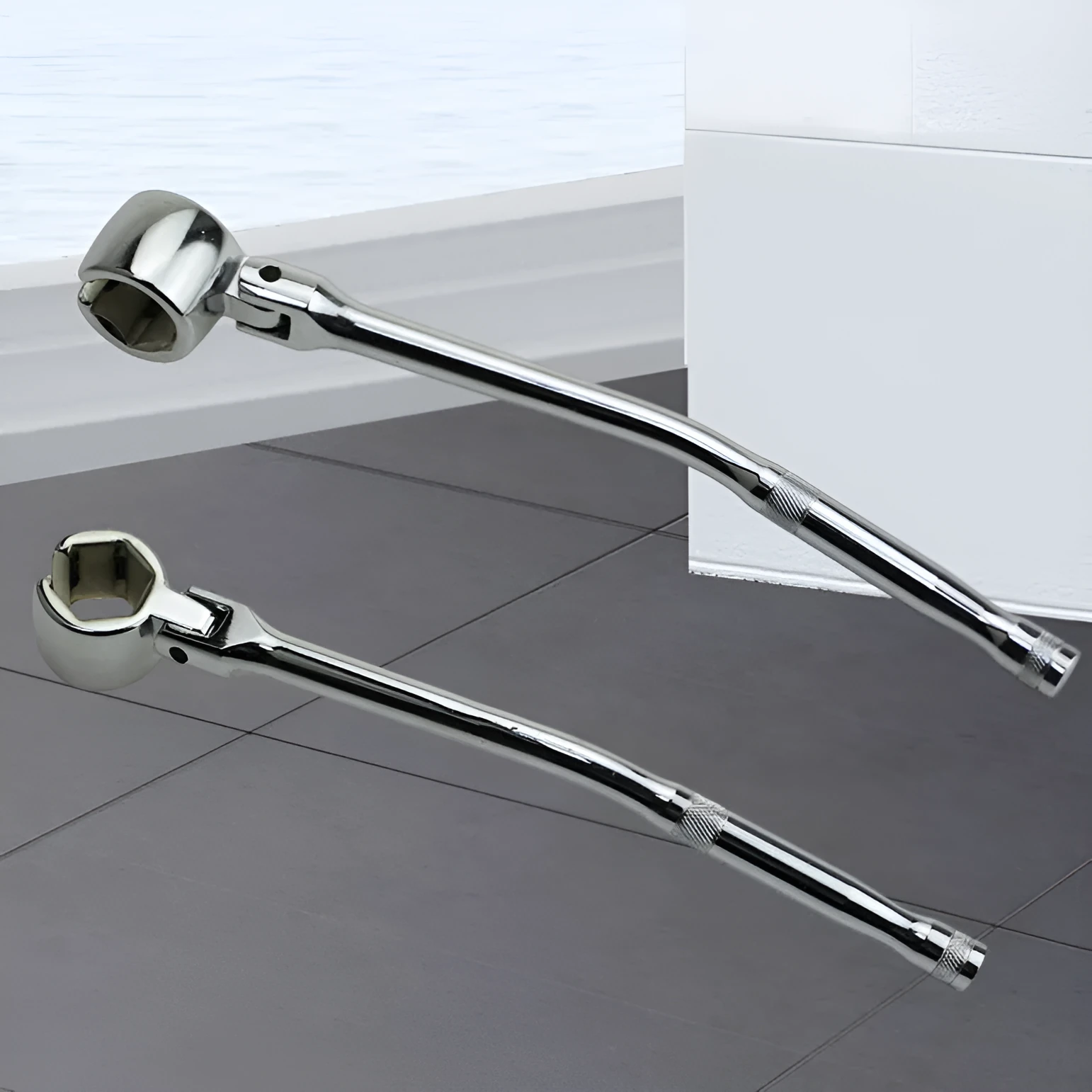
Every aspect of this socket wrench's design is informed by the practical demands of automotive maintenance, with clear specifications provided for its construction and physical properties.
Material and Build
The core material is chromium vanadium steel, an alloy commonly used in quality hand tools for its favourable mechanical properties. This steel offers a balance of high tensile strength and good toughness, allowing the socket to withstand the significant torsional and impact forces often involved in breaking loose corroded or carbon-locked sensor fittings. The manufacturing process includes an overall bright chrome plating applied via a head pouring technique. This surface treatment provides a hard, protective layer that resists corrosion and reduces friction during use, helping to maintain the tool's appearance and functional integrity over time in a workshop environment.
Size and Practical Fit
The defining functional specification is the 22mm hexagonal opposite edge profile of the socket sleeve. This dimension is a standard fit for a wide range of oxygen sensors found on petrol and diesel vehicles. The 'circular socket' or ring spanner design fully encircles the sensor nut, distributing force evenly across all six flats and significantly reducing the risk of applying excessive point pressure that can deform the softer metal of the sensor housing. With a total length of 270mm, the tool provides a substantial lever arm. This length allows a technician to generate sufficient torque to overcome initial resistance, either with direct hand force or when used with an extension bar, making it suitable for sensors in awkward or recessed locations.
Uses and Placement

This tool has a clear primary application within automotive systems, but its specific design also informs where and how it can be most effectively deployed during a repair procedure.
Event or Professional Use
In a professional garage or during major vehicle servicing, this wrench is a single-purpose tool that increases efficiency and reduces the risk of job complications. It is specifically selected from the toolbox when a diagnostic code indicates a faulty oxygen sensor (lambda sensor) requiring replacement. Its use is integral to the sensor replacement procedure, following the disconnection of the electrical connector and preceding the installation of the new unit. The precise fit helps ensure a swift removal, keeping labour time predictable and avoiding the additional costs and delays associated with drilling out or otherwise extracting a damaged sensor.
Everyday Home Use
For the competent DIY mechanic performing their own vehicle maintenance or repairs, this specialised tool solves a specific problem that a standard metric socket set may not handle effectively. A typical deep socket might not clear the sensor's wiring pigtail or may not engage deeply enough on the sensor body. This dedicated oxygen sensor socket removes that uncertainty, providing a known, correct tool for the job. It turns a potentially frustrating task with a risk of damage into a more straightforward, one-tool operation, supporting home projects like engine tuning, exhaust system work, or replacing sensors to resolve fuel efficiency or emissions-related engine management issues.
Benefits and Buying Value

The value of this product lies in its targeted functionality and the practical advantages it delivers over improvised or less-suited tools during automotive repair work.
Reuse and Low Maintenance
As a solid steel tool designed for mechanical engagement, its core utility does not diminish with proper use. The chromium vanadium steel construction and chrome plating are intended to provide long-term service, meaning the wrench can be used repeatedly across many repair jobs and on multiple vehicles over time. Maintenance is minimal; simply wiping it clean of grease, dirt, or exhaust soot after use and storing it in a dry place will suffice to preserve its condition. There are no moving parts to wear out or consumable elements to replace, making it a permanent addition to a tool collection dedicated to automotive work.
Why Choose This Product
Choosing this tool is a decision based on task-specificity and risk mitigation. It is the correct tool for a clearly defined job: removing a 22mm hexagonal oxygen sensor. Using it instead of an adjustable wrench, pipe wrench, or ill-fitting standard socket directly addresses the common problem of rounding off the sensor housing, which can lead to expensive and time-consuming corrective work. The provided specifications—22mm hexagonal, 270mm length, chromium vanadium steel—give a clear expectation of its capabilities and limits. For anyone facing an oxygen sensor replacement, this wrench offers a straightforward, reliable solution grounded in these concrete engineering and material choices.