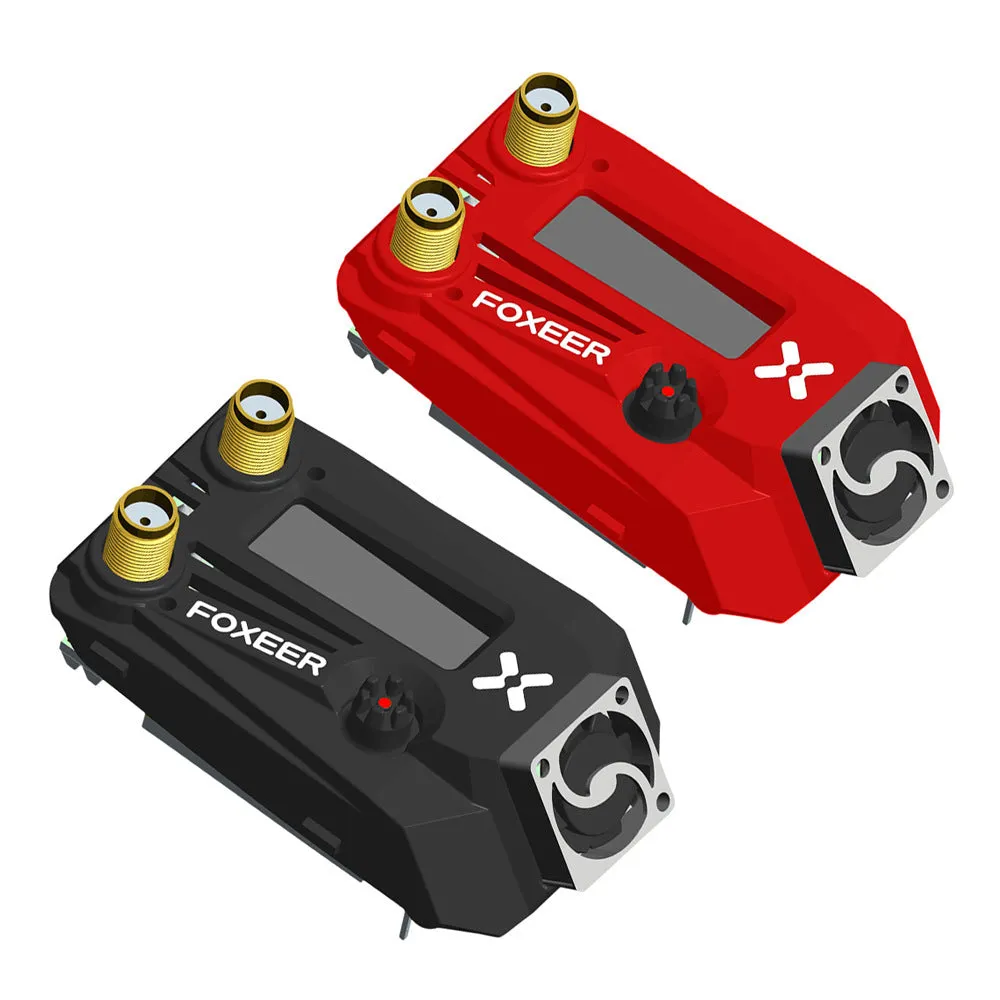
Wildfire Glasses FPV dual receiver video goggles compatible with Fatshark, Flying Shark and similar FPV drone systems, lightweight design at 58 grams, battery-powered operation for untethered use, black colour for minimal light intrusion during flight


Wildfire Glasses FPV dual receiver video goggles compatible with Fatshark, Flying Shark and similar FPV drone systems, lightweight design at 58 grams, battery-powered operation for untethered use, black colour for minimal light intrusion during flight
Wildfire FPV Dual Receiver Glasses: Lightweight 58g Video Goggles Compatible with Fatshark Systems
For drone pilots and FPV enthusiasts using popular Fatshark or Flying Shark video systems, the Wildfire Glasses present a streamlined viewing option. These video goggles function as a dual receiver, designed to work with compatible FPV drone equipment without requiring complex adapters. Their primary advantage lies in a notably lightweight construction, tipping the scales at just 58 grams. This reduced weight, combined with battery-powered operation, offers a less cumbersome and more mobile flying experience compared to bulkier, wired goggles, particularly appealing for users engaged in longer sessions or dynamic flying.
Features and Construction

The core design of the Wildfire Glasses focuses on compatibility and user comfort through its physical build. As a self-contained receiver unit, it integrates the necessary electronics to decode and display the video signal from your drone's transmitter.
Material and Build
The glasses utilise a plastic housing for the electronic components and the lens frame, which contributes directly to the low overall weight. The black colour finish serves a functional purpose common in FPV goggles: it reduces light leakage and internal reflections within the viewing area, helping to maintain contrast and focus on the live video feed from the drone. The construction centres on housing the dual receiver circuitry and providing a secure, adjustable fit for the user's head.
Size and Practical Fit
The most clearly defined specification is the product's weight of 58 grams. This low mass is a key differentiator, as it directly impacts wearing comfort and reduces neck fatigue over time. The product is categorised as suitable for a youth age range, specifically from 15 to 35 years old, which suggests the size and fit of the head strap and facial interface are geared towards this demographic. The battery power supply mode underscores a design for practicality, allowing the user to move freely without being constrained by a power cable.
Uses and Placement

These receiver glasses are built for a specific niche within the radio control and drone hobbyist market. Their application is centred on providing a first-person view from unmanned aerial vehicles.
Event or Professional Use
For pilots participating in FPV drone racing or organised flying events, the combination of low weight and wireless battery power can be advantageous. The reduced heft allows for quicker head movements and less physical distraction, while the lack of a tether provides greater freedom to walk the course or follow the action. The compatibility with established brands like Fatshark means they can slot into existing equipment setups used by many pilots in such environments.
Everyday Home Use
For hobbyists flying in local parks or dedicated fields, these glasses offer a straightforward entry point or a more portable secondary viewer. The battery operation simplifies setup—there's no need to be near a mains outlet—making them suitable for impromptu flying sessions. The designated youth age suitability indicates they are also appropriate for younger pilots developing their FPV skills, where a lighter, less intimidating piece of equipment can be beneficial.
Benefits and Buying Value
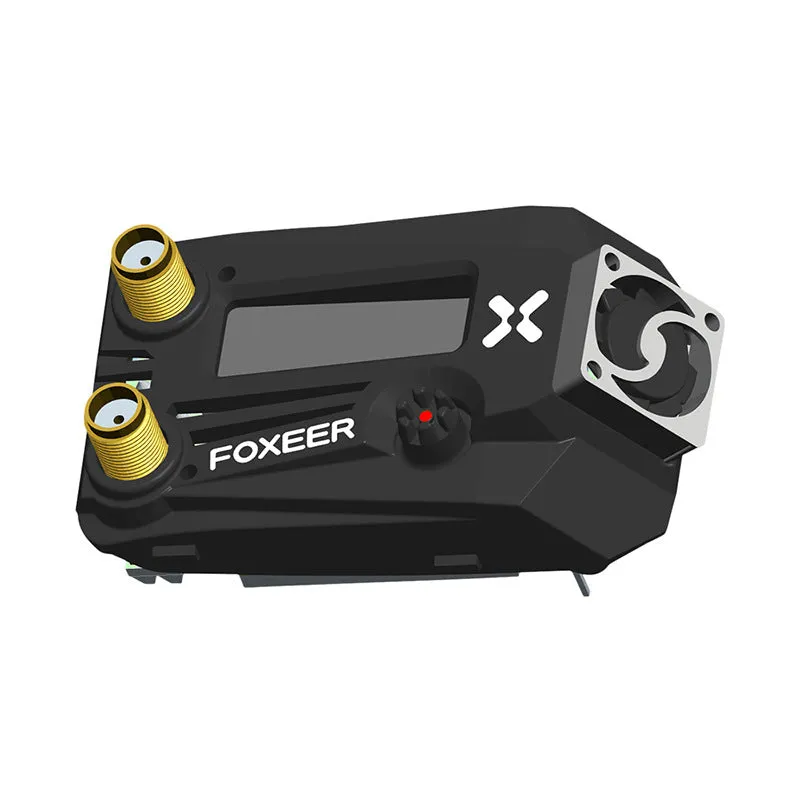
The value proposition of the Wildfire Glasses hinges on specific, stated attributes rather than unspecified premium claims. The benefits are tied directly to their documented specifications and intended use case.
Reuse and Low Maintenance
As a receiver unit compatible with major FPV systems, its utility is preserved across multiple flying sessions and with different drones that use a compatible video transmitter. The simple, battery-powered design implies minimal maintenance—primarily involving battery care and keeping the lenses clean. The plastic construction suggests a degree of resilience for casual handling, though care should be taken with the lenses and electronics as with any optical device.
Why Choose This Product
A pilot might select these glasses if their priority is a reduction in carried weight on their head, with the 58-gram figure being a concrete point of comparison. The battery power mode is a clear choice for those who dislike managing a power cable during flight. Furthermore, the explicit compatibility with Fatshark and Flying Shark systems addresses a key technical requirement for many users in this hobby, ensuring the product integrates with their existing gear without guesswork.