
Table tennis racket rubber sheet single-sided uncut raw rubber replacement sheet for small particle surface design for table tennis paddle and other ball games in black or red


Table tennis racket rubber sheet single-sided uncut raw rubber replacement sheet for small particle surface design for table tennis paddle and other ball games in black or red
Small Particle Table Tennis Rubber Sheet: Single-Sided Raw Rubber Replacement for Paddles
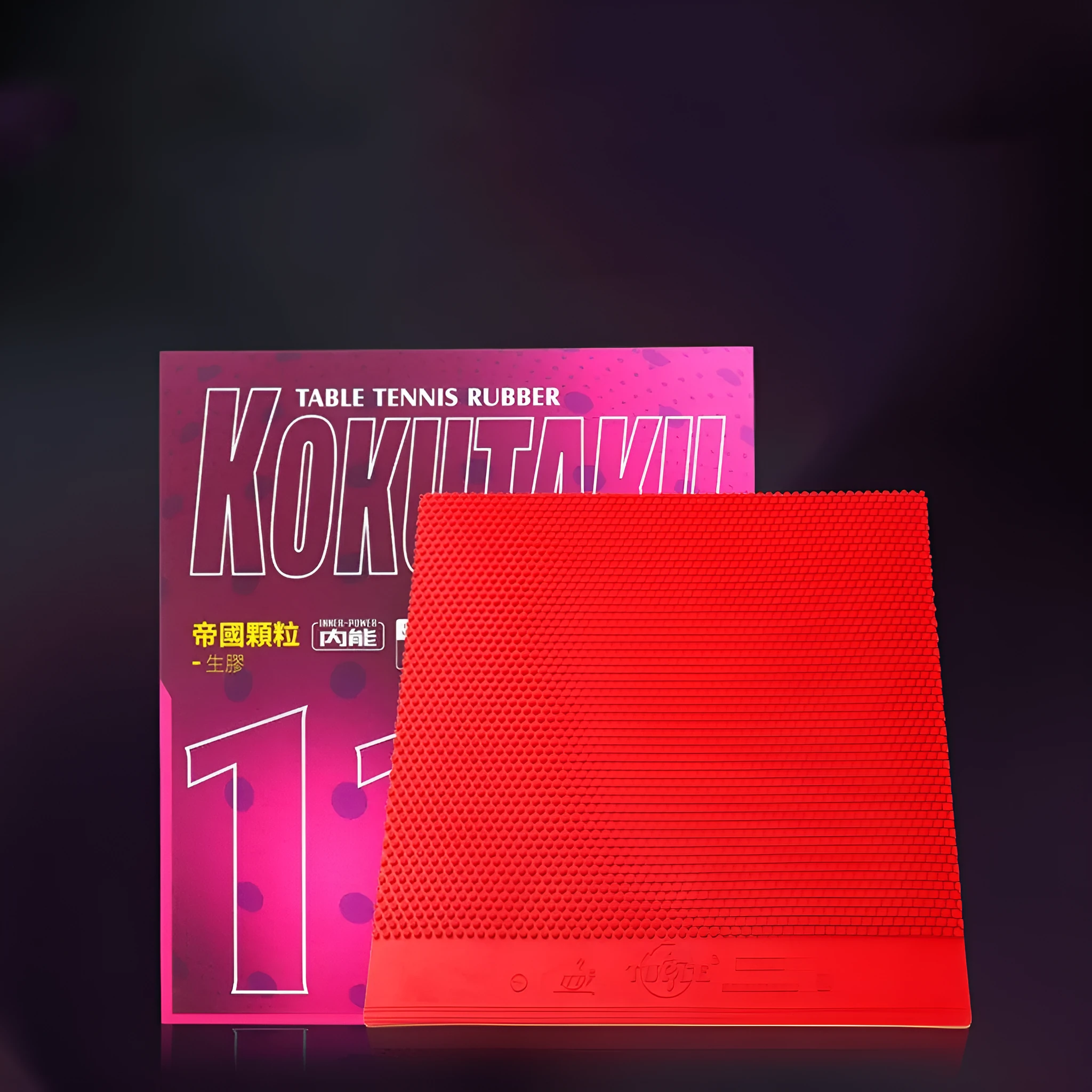
This product is a single sheet of uncut, raw rubber designed as a replacement surface for one side of a table tennis racket. It is specified for the sport of table tennis and other ball games, featuring a small particle, or pimpled, surface texture. Available in the standard competition colours of black and red, it provides a practical component for players needing to resurface a worn paddle or build a custom racket setup. As a raw sheet with no pre-cut shape or integrated sponge, it offers a base material that requires trimming and application with separate adhesive, granting flexibility for different blade sizes.
Features and Construction

The core specification of this product is its construction as a single, uncut sheet of raw rubber with a small particle surface. This section details the material and practical considerations for using this replacement sheet.
Material and Build
The sheet is made from raw rubber, forming the top sheet of a table tennis racket surface. The key stated feature is its small particle design, which refers to a pimpled-out surface texture that contacts the ball. The product is supplied in its raw, unprocessed state, meaning it has not been pre-cut to a specific blade shape and does not include an integrated sponge layer or adhesive backing. This makes it a fundamental component for racket assembly or refurbishment.
Size and Practical Fit
As an uncut sheet, no precise dimensions are provided, which allows it to be trimmed to fit a wide variety of table tennis blade shapes and sizes. This flexibility is a practical advantage for players with non-standard paddles or those who prefer a custom fit. The user must measure and cut the rubber to match their specific blade. It is important to note the product is sold as a single sheet, intended to cover one side of a racket only.
Uses and Placement

This rubber sheet is designated for table tennis and other ball games. Its primary use is as a replacement playing surface for a table tennis racket, but its application depends on the user's assembly process.
Event or Professional Use
For competitive table tennis, the availability in both black and red allows players to comply with official rules that require one black and one red side on a racket. Players seeking a specific feel or performance characteristic from a small particle surface can use this sheet as part of their custom racket build. It serves as the essential top-sheet component, to which a sponge (if desired) and adhesive must be added separately to create a complete rubber assembly.
Everyday Home Use
For recreational play or home use, this rubber sheet provides a cost-effective way to resurface an old or damaged paddle. The uncut nature means a single sheet can potentially be used for multiple smaller projects or to fit odd-shaped recreational paddles used in other ball games. The requirement for separate adhesive and trimming tools means it is suited for users comfortable with basic racket maintenance.
Benefits and Buying Value
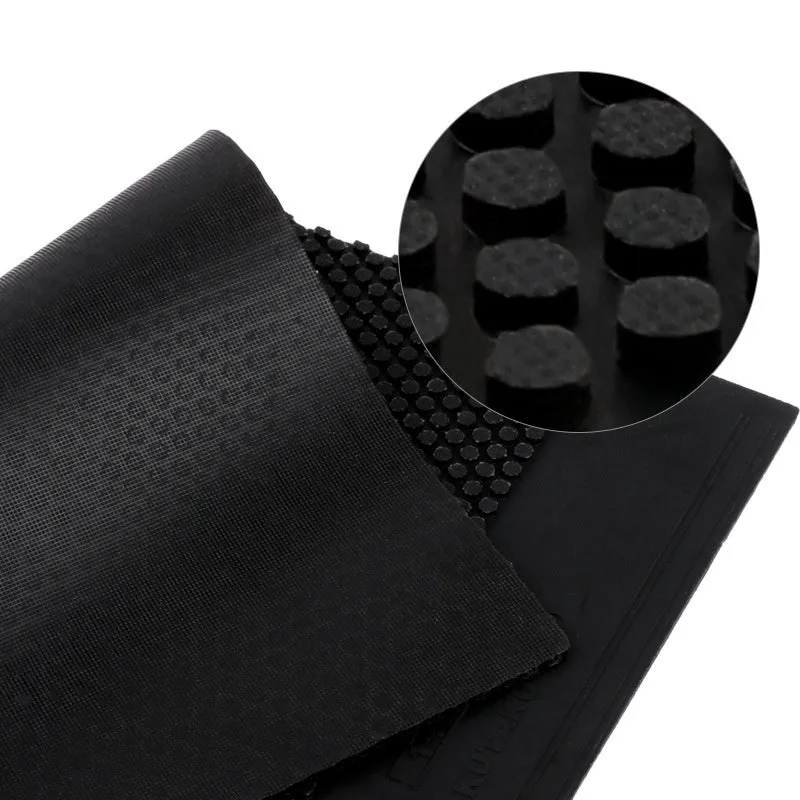
The value of this product lies in its role as a fundamental, flexible component for table tennis equipment, rather than as a complete, ready-to-play solution.
Reuse and Low Maintenance
As a replacement part, this sheet directly addresses the need to extend the life of a table tennis racket by renewing its playing surface. A single sheet can restore one side of a paddle. The raw rubber material, once properly adhered to a blade, forms the durable contact layer. Maintenance involves simply replacing the sheet again once it wears out, following the same trimming and gluing process.
Why Choose This Product
This product is chosen for its specific small particle surface texture and its flexibility as an uncut, raw sheet. It is a suitable choice for players and hobbyists who source their racket components separately, prefer the small particle style, or need a specific colour for rule compliance. It provides the base material, leaving the assembly and fine-tuning of thickness (via separate sponge) to the user's preference, which can be an advantage for customisation but requires additional parts and know-how.

