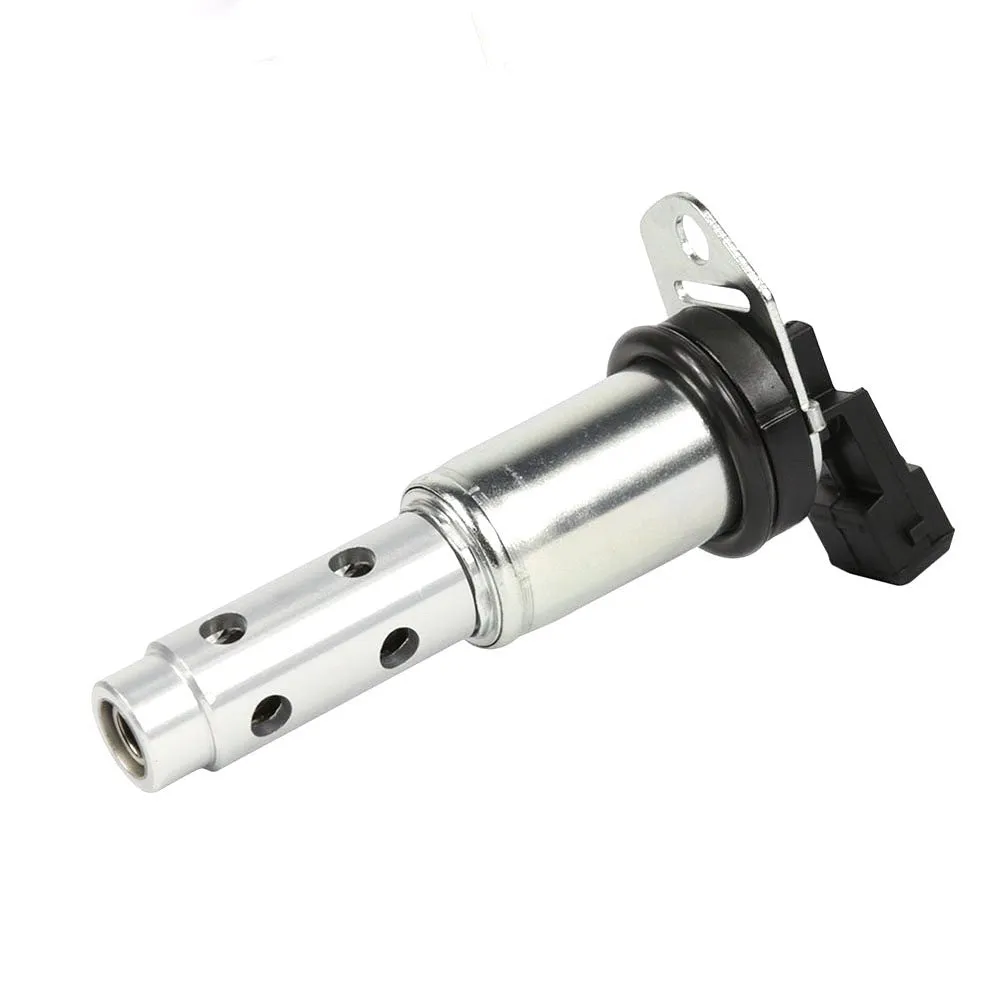
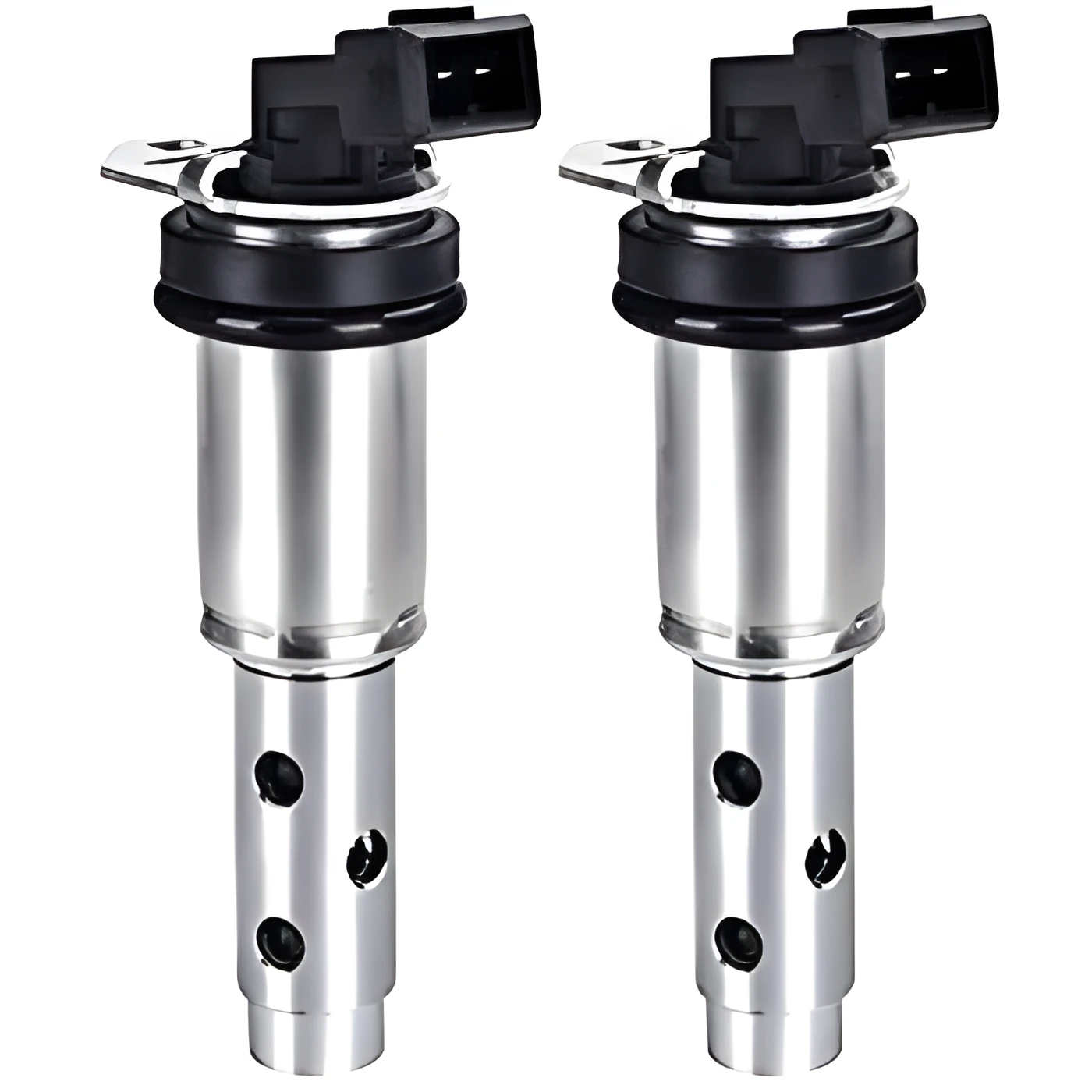
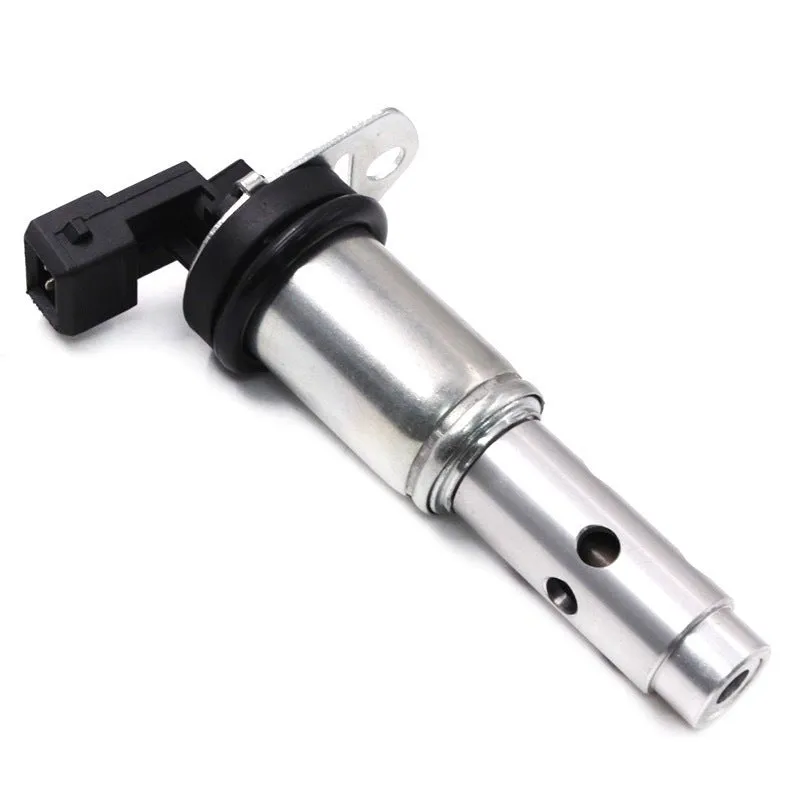
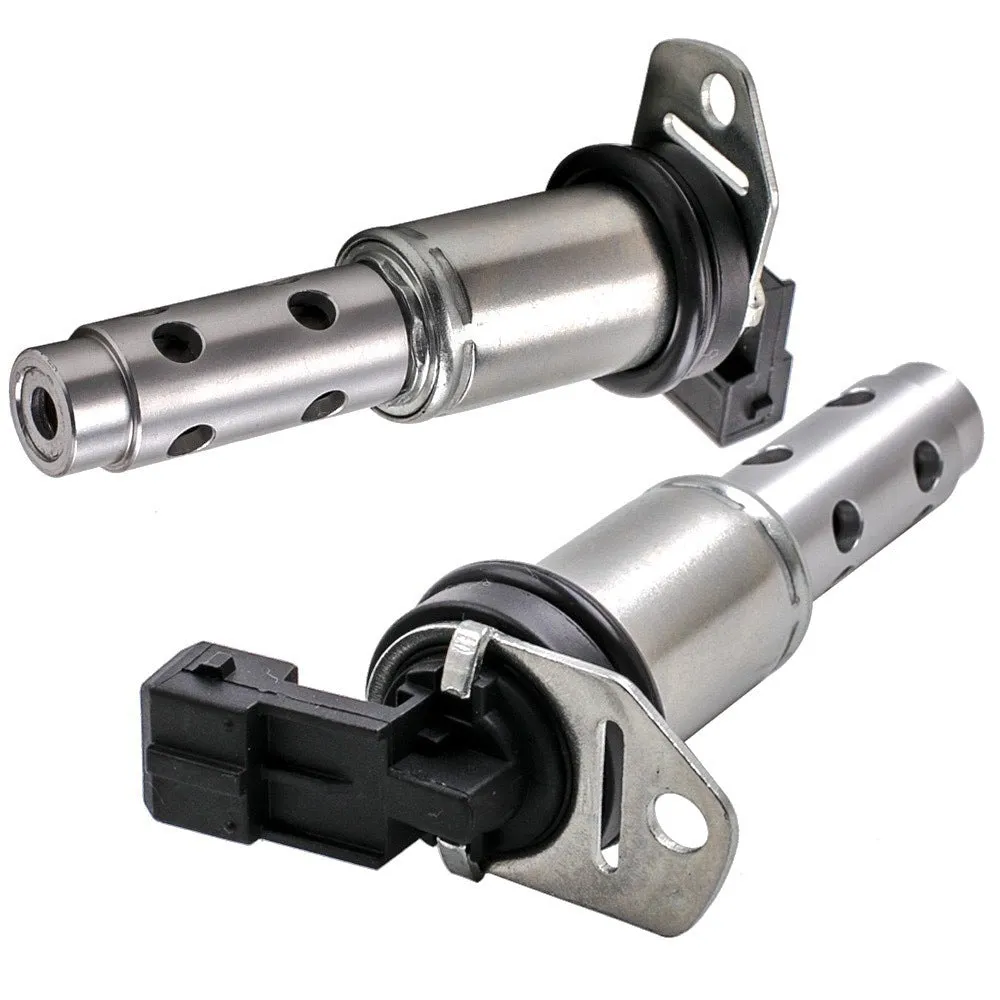
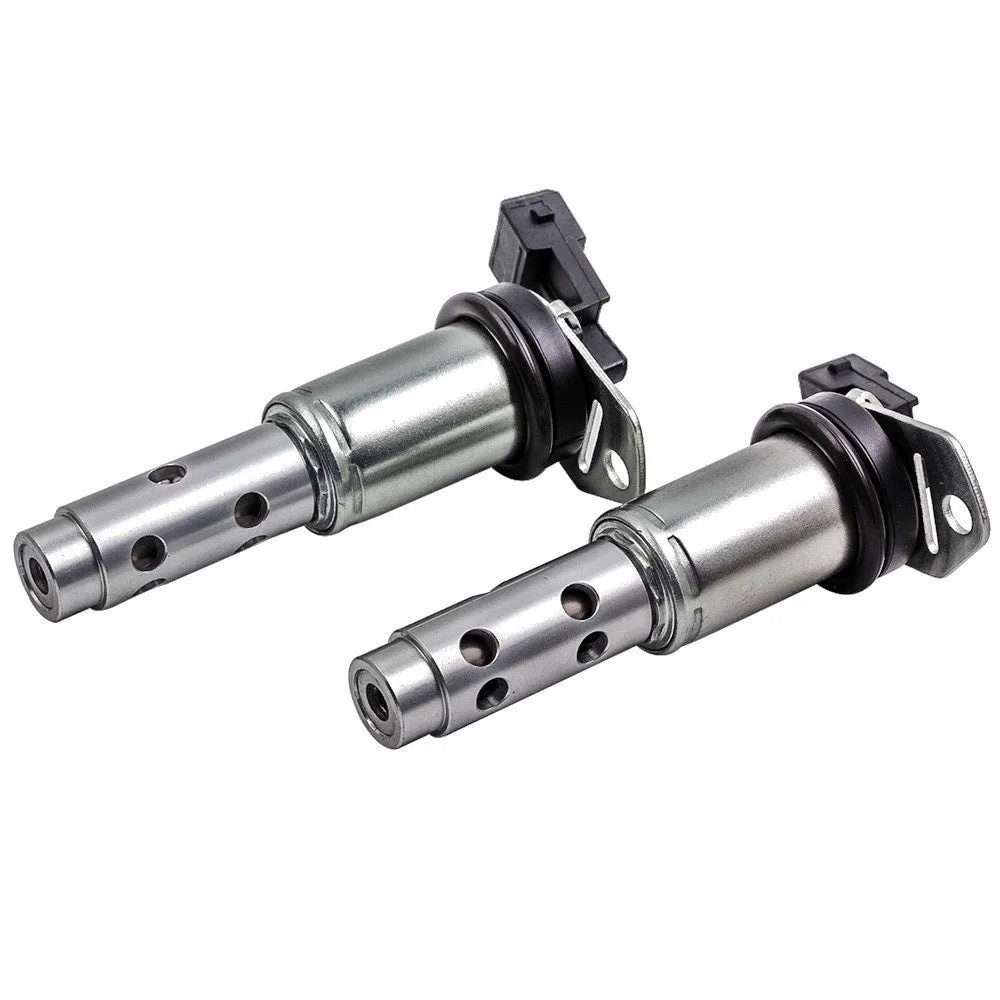
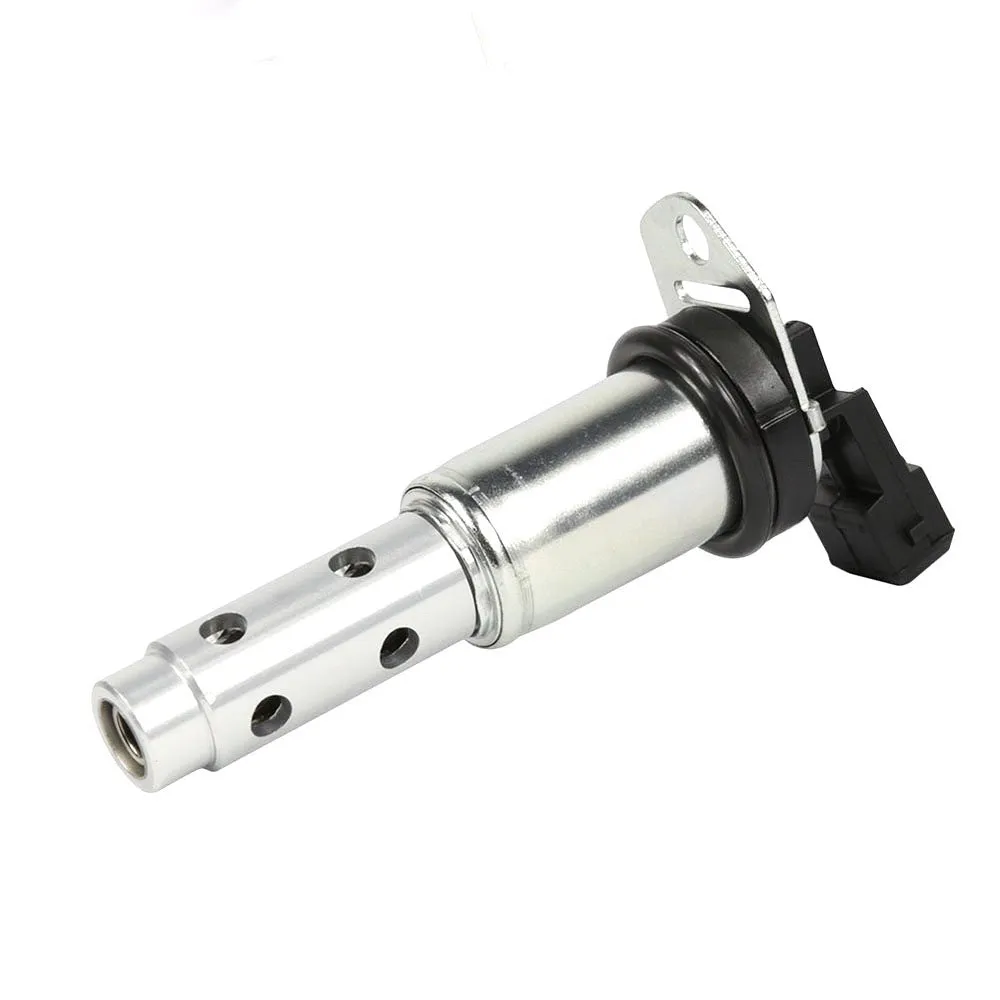
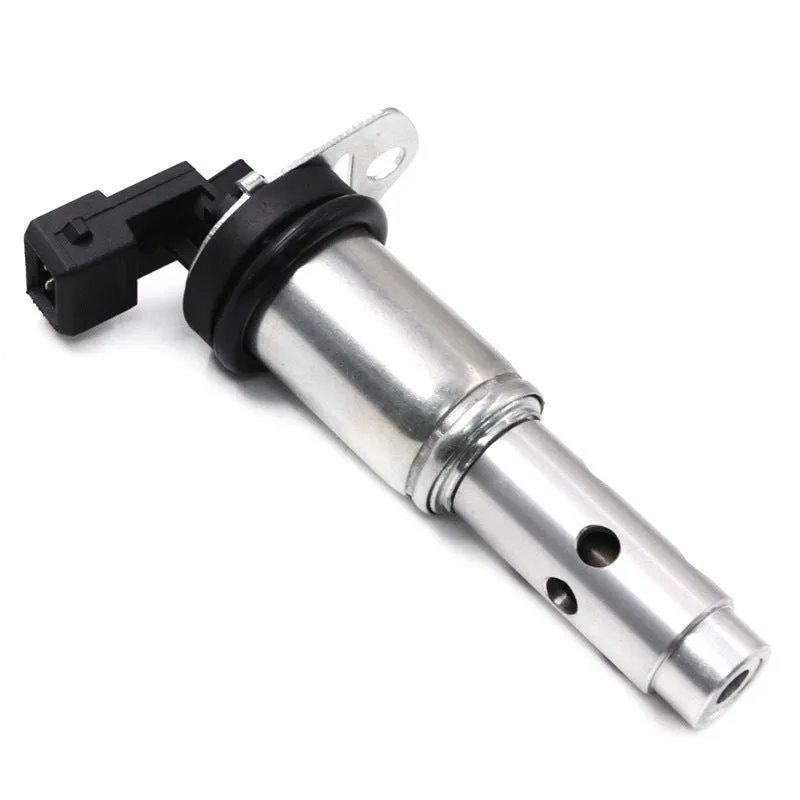
Solenoid valve compatible with BMW 1 Series, 3 Series, and 5 Series camshaft VVT systems, constructed from metal with dimensions of 25cm long by 15cm wide by 10.5cm high, supplied individually for variable valve timing replacement.


Solenoid valve compatible with BMW 1 Series, 3 Series, and 5 Series camshaft VVT systems, constructed from metal with dimensions of 25cm long by 15cm wide by 10.5cm high, supplied individually for variable valve timing replacement.
BMW VVT Camshaft Solenoid Valve: A Direct-Replacement Metal Component for 1, 3, and 5 Series
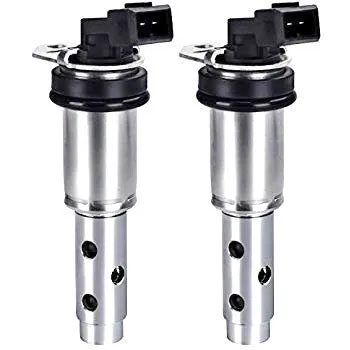
This solenoid valve serves as a dedicated replacement part for the variable valve timing (VVT) systems found on several popular BMW engine series. Specifically designed for compatibility with BMW 1 Series, 3 Series, and 5 Series models, it addresses the need for a reliable component to manage the camshaft's timing adjustment. The valve's primary function is to control oil flow to the VVT actuator based on signals from the engine control unit, directly influencing valve timing for optimal engine performance and efficiency. Supplied as a single unit, it allows for precise maintenance or repair of the VVT mechanism without requiring additional, unrelated parts.
Features and Construction
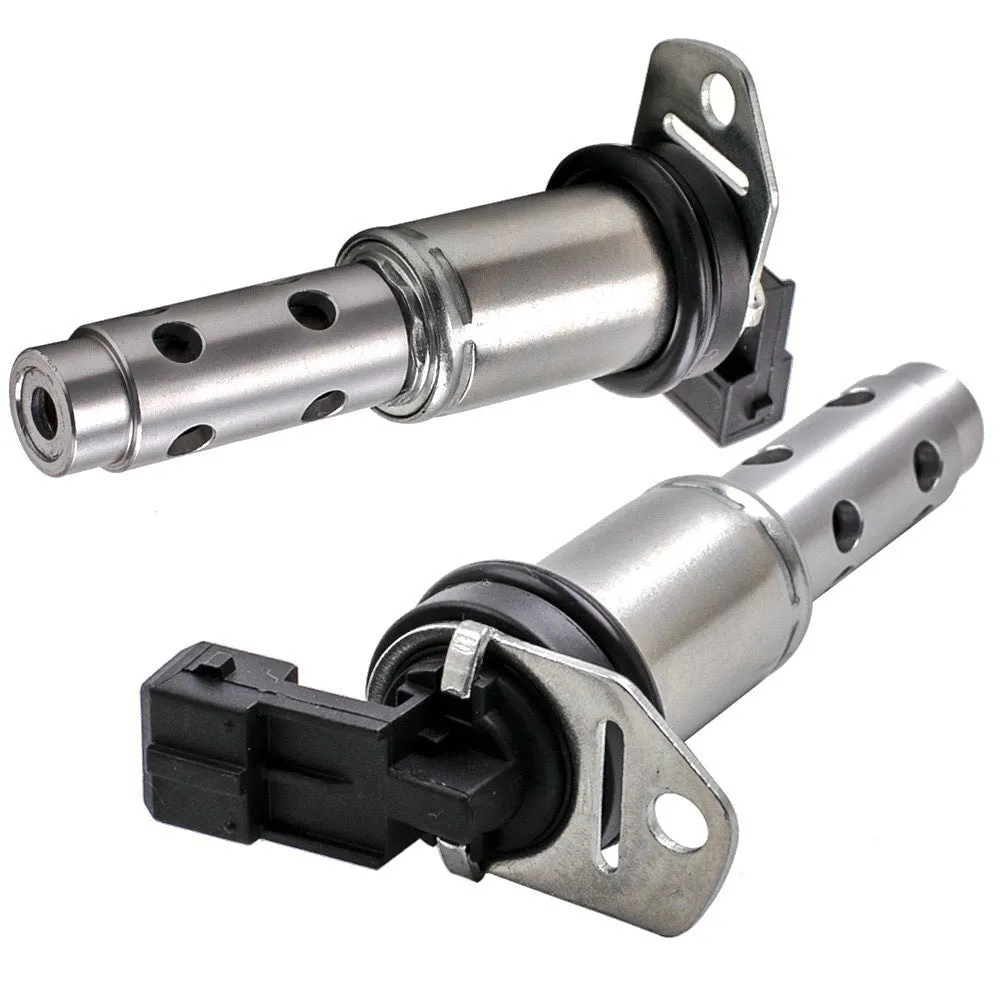
This component is defined by its specific application and robust build. The following details outline its key attributes and physical specifications.
Material and Build
The solenoid valve is constructed from metal, a material choice suited to the demanding environment of an automotive engine bay. Metal provides the necessary resistance to the heat generated by the engine and the constant vibrations experienced during operation. This construction ensures the valve housing and internal mechanisms can maintain their integrity and function reliably over time, which is essential for a component critical to engine timing management.
Size and Practical Fit
The external dimensions of the valve are 25cm in length, 15cm in width, and 10.5cm in height. These measurements are important for verifying physical clearance within the often-crowded engine compartment of the compatible BMW models. The specified size confirms it is designed to occupy the same space as the original equipment manufacturer (OEM) part it replaces, facilitating a straightforward installation process for technicians or experienced DIY mechanics.
Uses and Placement
This solenoid valve has a clearly defined role within the vehicle's engine system. Its use is tied directly to a specific automotive technology.
Professional Workshop Use
For professional automotive technicians, this valve is a service part used to rectify issues with the variable valve timing system, such as fault codes related to the VVT circuit, sluggish engine response, or reduced fuel economy. Its model-specific compatibility ensures it can be installed with confidence as part of a targeted repair, restoring the engine's ability to adjust valve timing dynamically for different driving conditions.
Informed DIY Application
For the knowledgeable car enthusiast with compatible BMW models, this part enables DIY maintenance. It allows for the replacement of a failed solenoid, potentially solving performance issues. Success depends on correctly identifying the faulty component, having the appropriate tools, and following vehicle-specific service procedures for the VVT system, which often involves working near the camshaft and timing chain area.
Benefits and Buying Value
The value of this component lies in its specificity and the practical solution it offers for a defined mechanical need.
Targeted Repair and Low Complexity
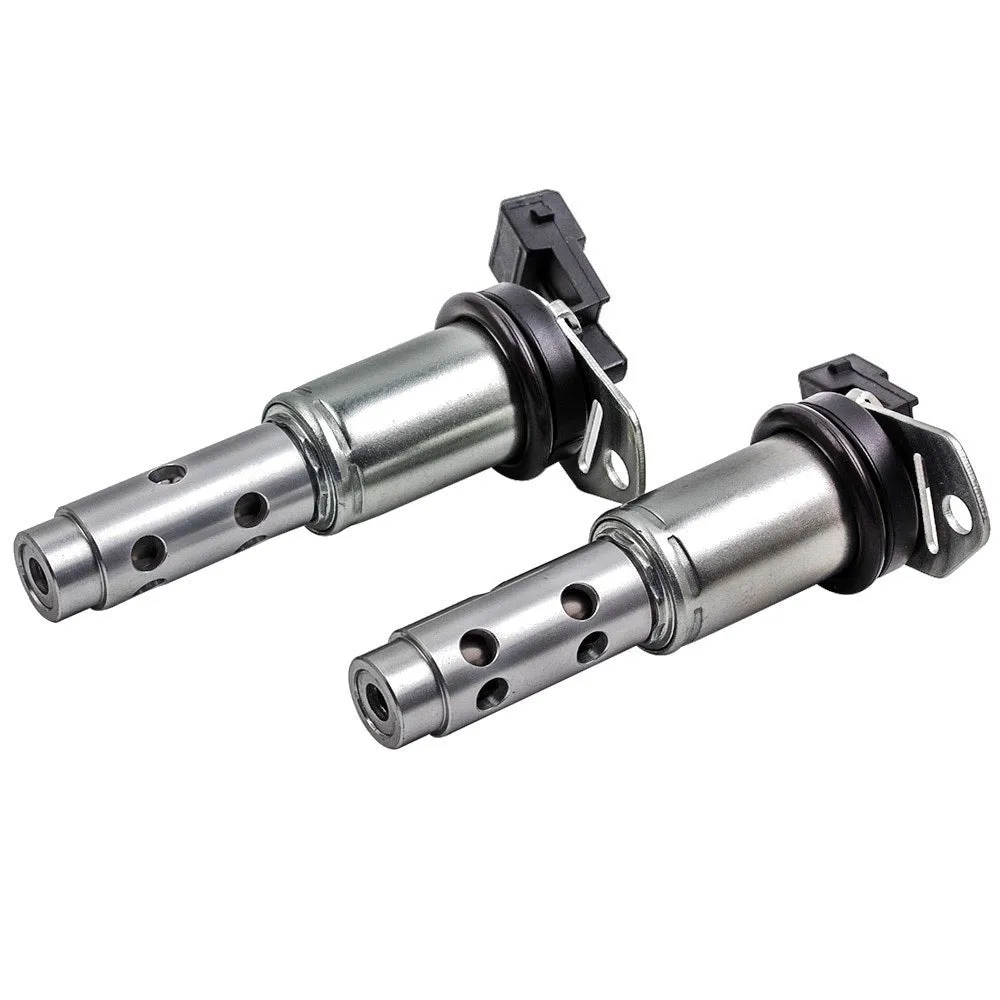
Supplied as a single solenoid valve, this product supports a targeted repair strategy. It allows the replacement of just the faulty electrical component of the VVT system, which can be more cost-effective than replacing larger assemblies. This approach simplifies inventory for stockists and provides a clear, single-item solution for the end user addressing a specific fault.
Why Choose This Product
This product is chosen for its stated compatibility with BMW 1, 3, and 5 Series camshaft VVT systems. The primary advantage is the promise of correct fitment and electrical connection, which is paramount for a sensor/actuator component that must communicate seamlessly with the vehicle's ECU. The metal construction further supports its suitability for the application, aligning with the material expectations for engine-mounted parts.