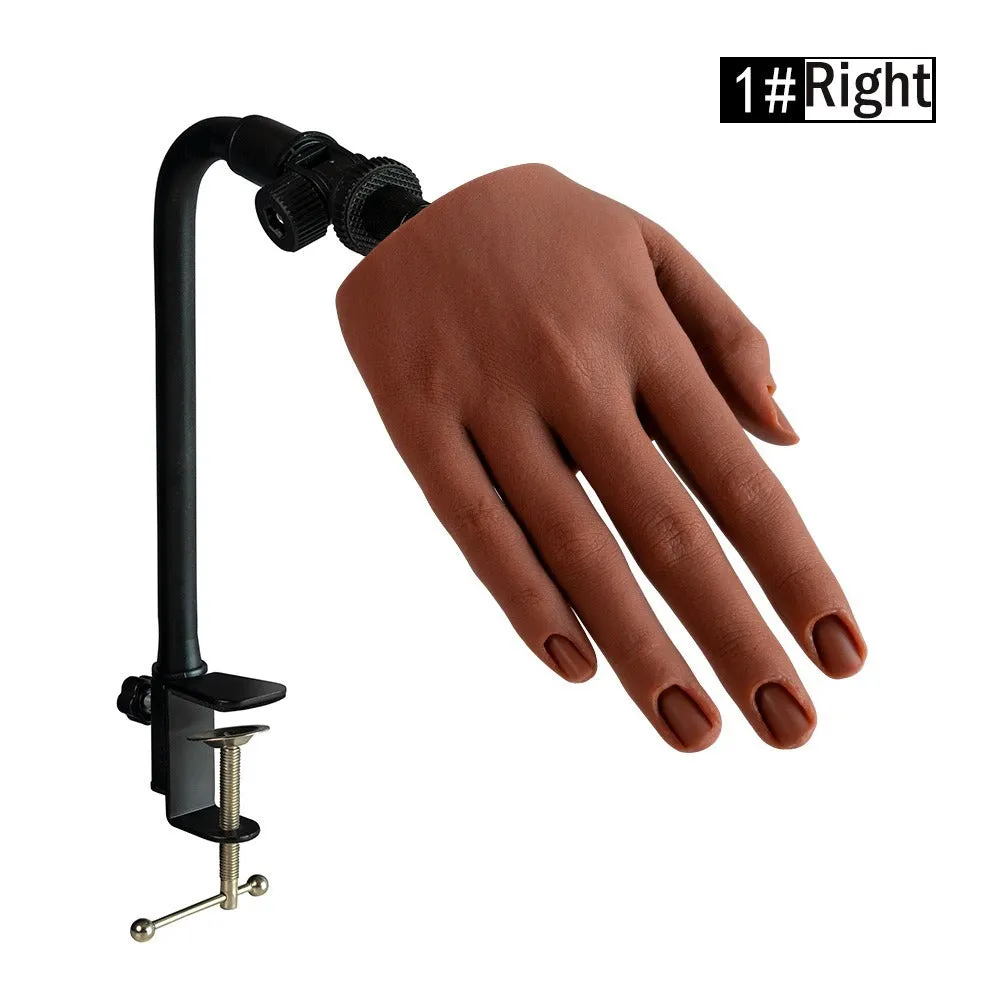
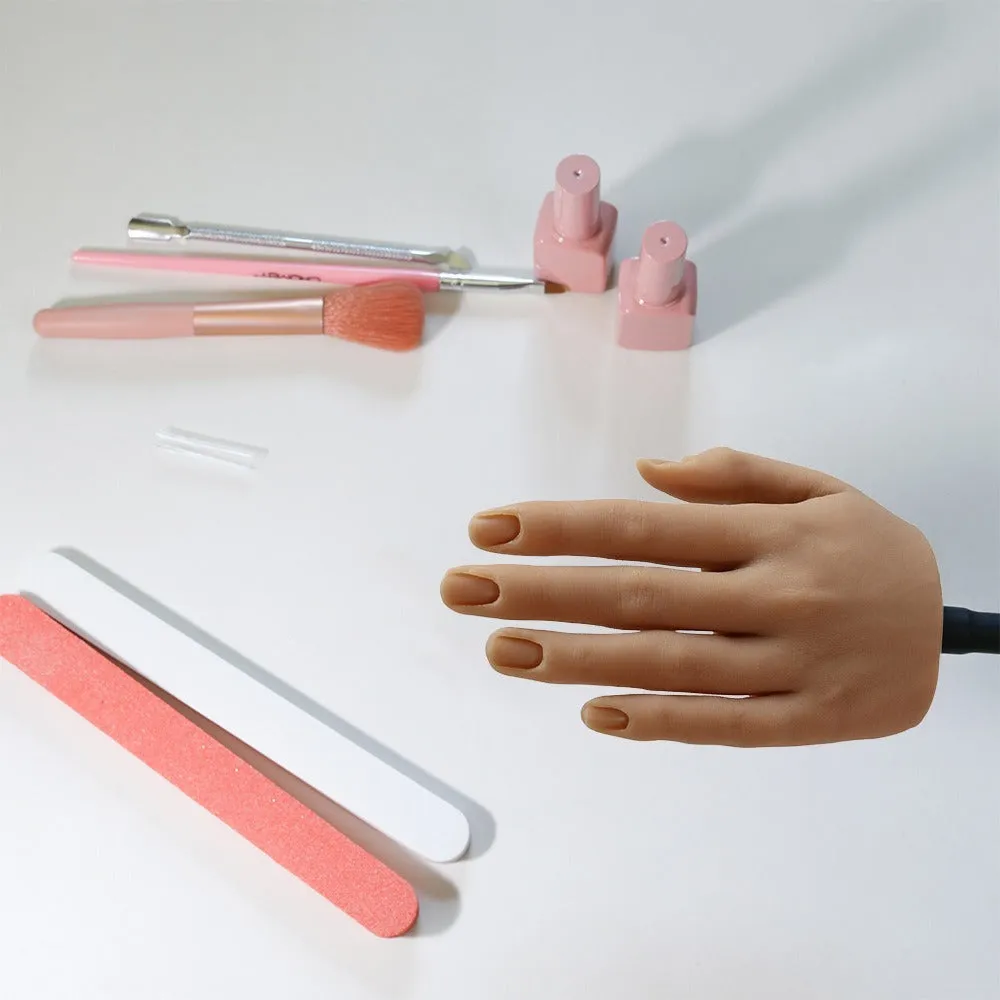
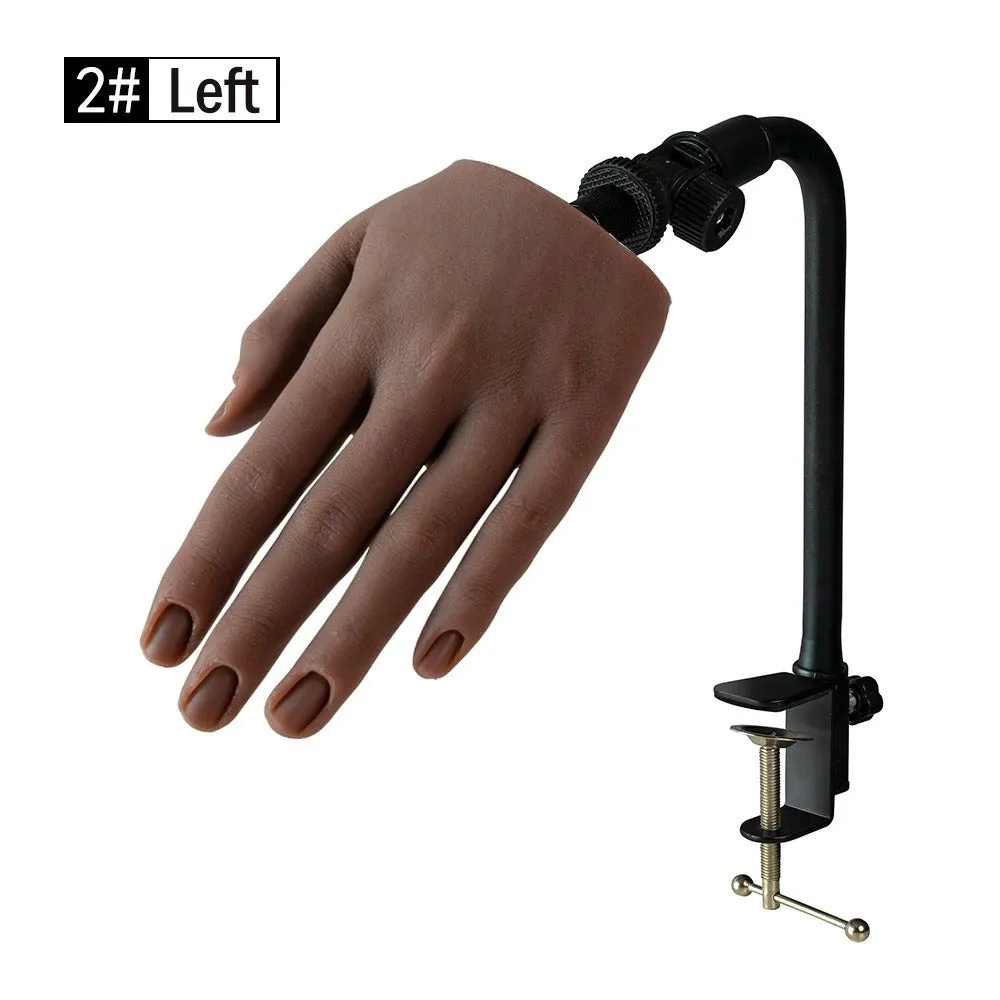
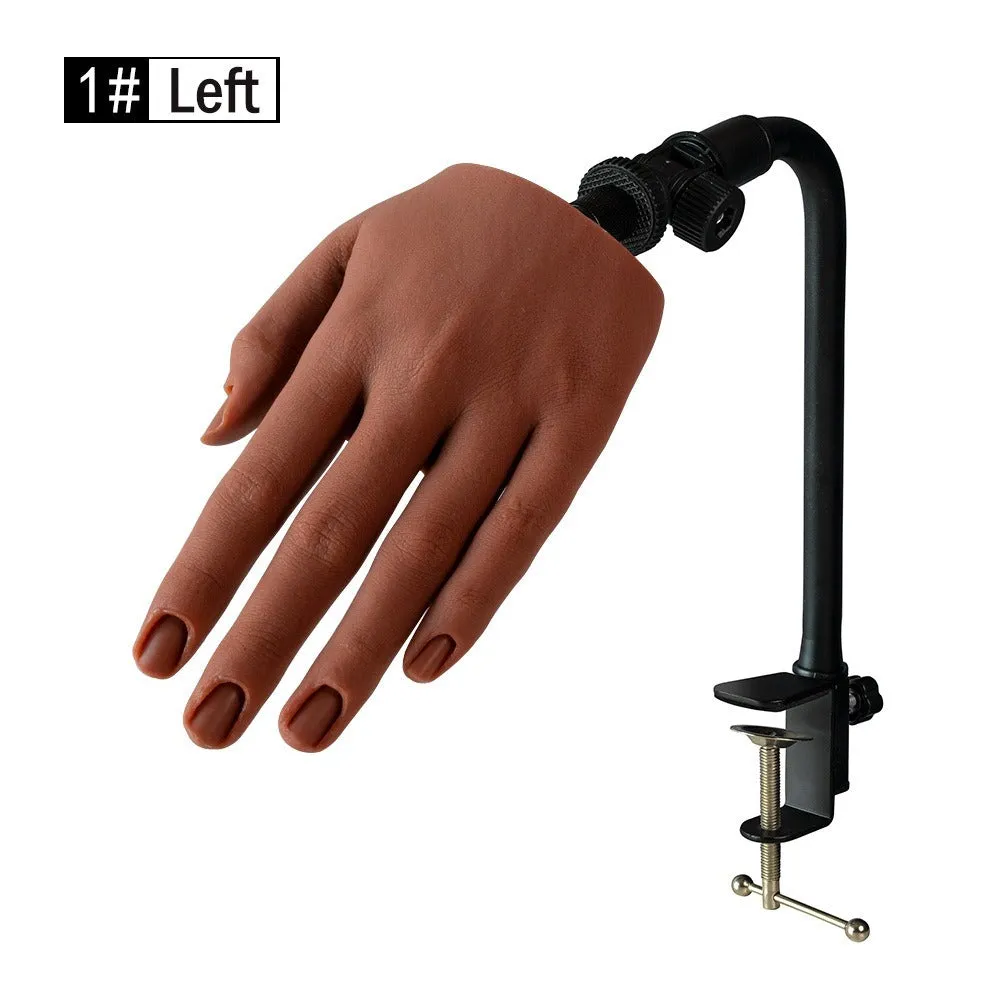
Nail art practice hand model silicone fake hand model realistic training hand fake fingers for beginners and professionals practising nail polish, gel, acrylic, and manicure techniques with detailed joint articulation and durable silicone construction.


Nail art practice hand model silicone fake hand model realistic training hand fake fingers for beginners and professionals practising nail polish, gel, acrylic, and manicure techniques with detailed joint articulation and durable silicone construction.
Silicone nail art practice hand model for realistic manicure and gel training on left or right hands

For nail technicians, beauty students, and hobbyists looking to refine their skills, this silicone practice hand offers a practical and reusable training tool. It eliminates the need for a live model during practice sessions, allowing for repeated attempts at polish application, nail art design, and gel or acrylic work. The hand’s articulated fingers can be adjusted to mimic natural client hand positions, providing a more authentic experience than a static block. Available in both left and right orientations, it supports practice for different working angles and accommodates the user’s dominant hand.
Features and Construction
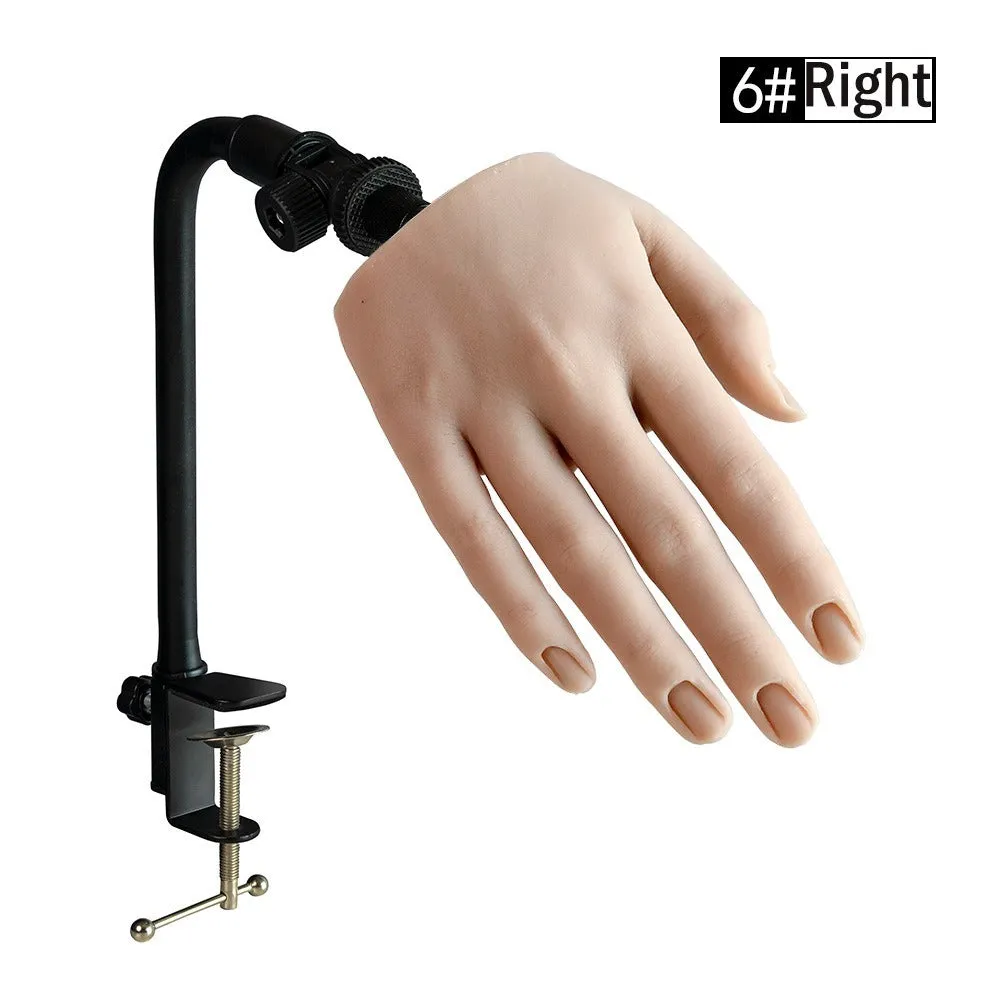
This model is designed with practical training as its core function, using materials and a form factor that support repeated use and realistic feedback.
Material and Build
Crafted from durable silicone, the hand model provides a surface that closely approximates the texture and slight flexibility of human skin and nails. This material choice allows for the application and removal of various nail products, including standard nail polish, gel polishes cured under a LED or UV lamp, and acrylic systems. The silicone is non-porous, making it straightforward to clean with a damp cloth, ensuring the model can be used for multiple practice sessions without degradation.
Size and Practical Fit
The hand is designed to be a standard, life-sized model, providing a realistic scale for practising full nail coverage, cuticle work, and nail art detailing. The individual fingers are articulated, meaning they can be gently posed into different angles—such as a flat palm-up position for practising on a steady surface or a slightly curved position to simulate a client’s natural hand posture. This adjustability helps users develop technique for working on various nail planes and under different lighting conditions.
Uses and Placement

The primary value of this tool lies in its application across a spectrum of nail technology training, from foundational skills to advanced artistic work.
Event or Professional Use
In a professional or educational setting, such as a beauty school salon or a technician’s home studio, this hand serves as a reliable training aid. It allows for the demonstration and practice of specific techniques, like creating a smooth polish surface, applying nail tips, or executing detailed nail art, without the time pressure or variability of a live model. Trainers can use it to show brush strokes, product placement, and curing processes in a controlled, repeatable way.
Everyday Home Use
For hobbyists and those building their skills at home, the model offers a convenient way to practice new designs, experiment with colour combinations, or master the application of gel or acrylic products before working on themselves or others. Its stability on a tabletop makes it easy to work on, and the availability of both left and right hand options means users can practice on the hand orientation they find most challenging or need to improve.
Benefits and Buying Value
The investment in a dedicated practice tool like this centres on skill development, waste reduction, and confidence building.
Reuse and Low Maintenance
As a reusable tool, the silicone hand model reduces the need for disposable practice materials. Once nail products are applied and cured, they can be filed off or removed with appropriate solvents, and the silicone surface can be wiped clean, ready for the next practice session. This makes it a cost-effective option over time compared to constantly using practice paper forms or other single-use alternatives.
Why Choose This Product
This model provides a focused solution for nail art practice. The choice of six colours (1st, 2ec, 3rd, 4th, 5th, 6h) allows users to select a tone that best matches their typical clientele or personal preference for visual training. The option to select either a left or right hand model directly addresses the practical need to practice on the specific hand orientation required for professional work, making it a more targeted tool than generic, non-handed practice blocks.