
HDMI data cable for set-top boxes, available in 1m, 1.5m, 3m and 5m lengths, featuring copper-clad steel wire construction with nickel plating and a black colour for reliable signal transmission


HDMI data cable for set-top boxes, available in 1m, 1.5m, 3m and 5m lengths, featuring copper-clad steel wire construction with nickel plating and a black colour for reliable signal transmission
HDMI Cable for Set-Top Box Connection in 1m, 1.5m, 3m and 5m Lengths
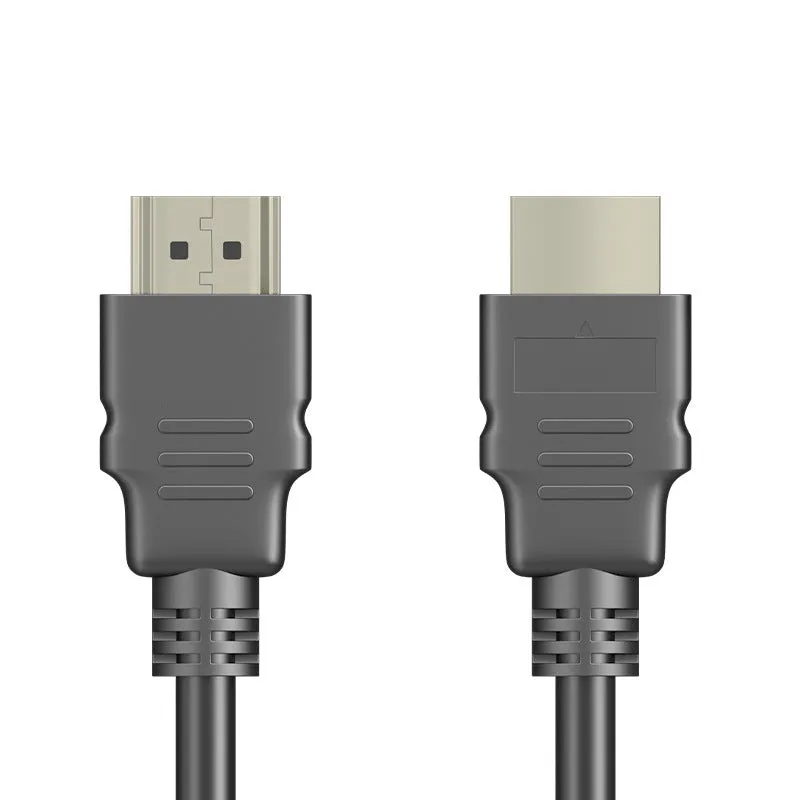
This HDMI data cable is designed for a specific and common home entertainment task: linking a set-top box to a television. It provides the physical pathway for digital audio and video signals, removing the complexity often associated with older analogue connections. The product is defined by its straightforward specification, focusing on core materials and a choice of four standard lengths to accommodate different room layouts and furniture distances between devices. It represents a basic, functional component for completing your AV setup.
Features and Construction
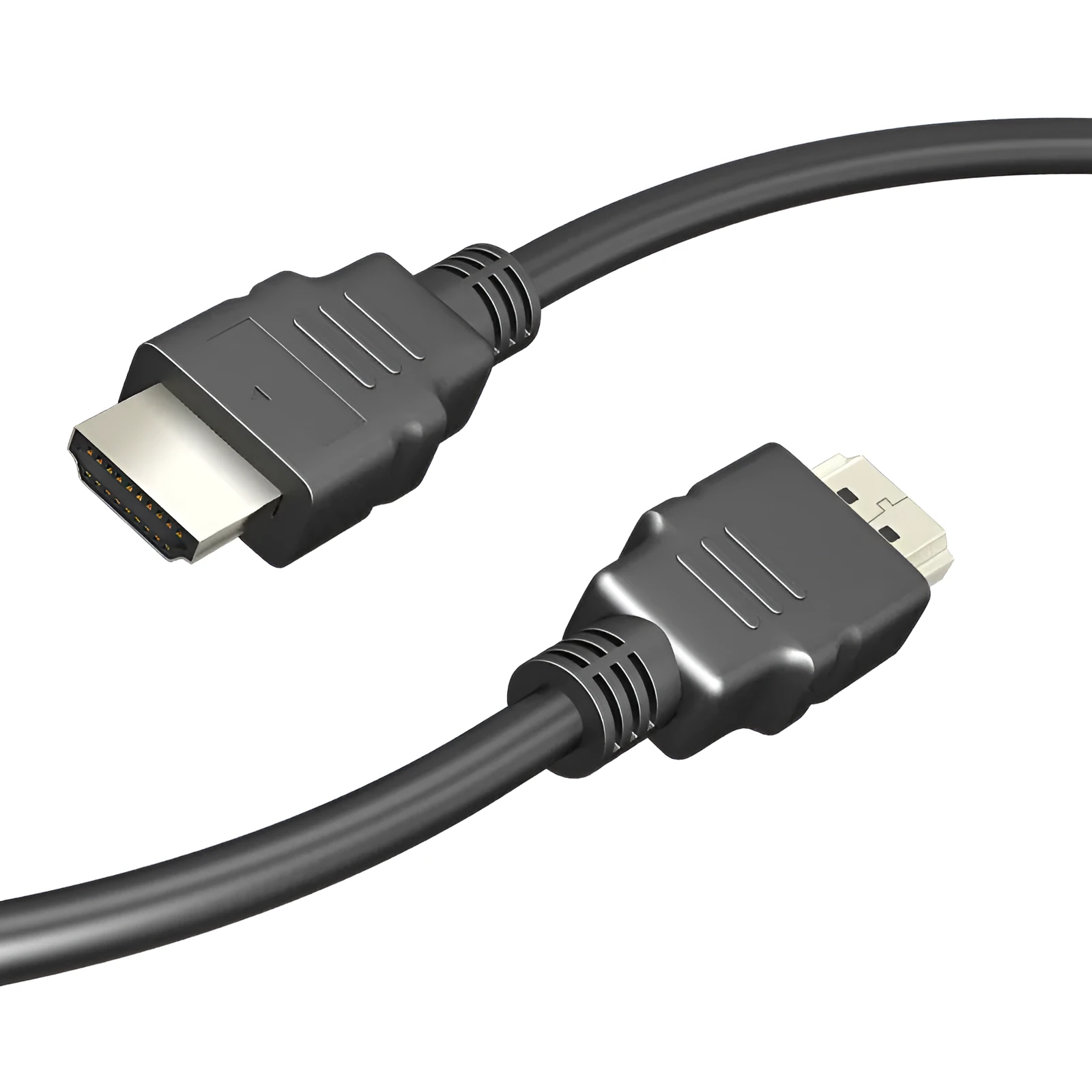
The cable's build centres on practical materials chosen for signal transmission and physical durability in typical home use. It does not include advanced shielding or high-bandwidth certifications, positioning it as a solution for standard definition or high-definition signals in everyday scenarios. Its value lies in its simplicity and direct compatibility with the widely adopted HDMI standard.
Material and Build
The core conductor is copper-clad steel wire. This material combines the conductive properties of copper with the tensile strength of steel, aiming to provide reliable signal transfer while resisting physical stress from handling or accidental tugs. A nickel plating process is applied over the wire, which serves as a protective coating to resist oxidation and corrosion over time, helping to maintain a stable electrical connection at the contact points.
Size and Practical Fit
A key practical feature is the availability of four fixed lengths: 1 metre, 1.5 metres, 3 metres, and 5 metres. This range covers common installation needs, from short runs in compact media units to longer spans across a room. Selecting the correct length helps achieve a tidy setup by avoiding excessive loose cable, which can be a tripping hazard or visual clutter, while also ensuring the signal does not need to travel further than necessary.
Uses and Placement
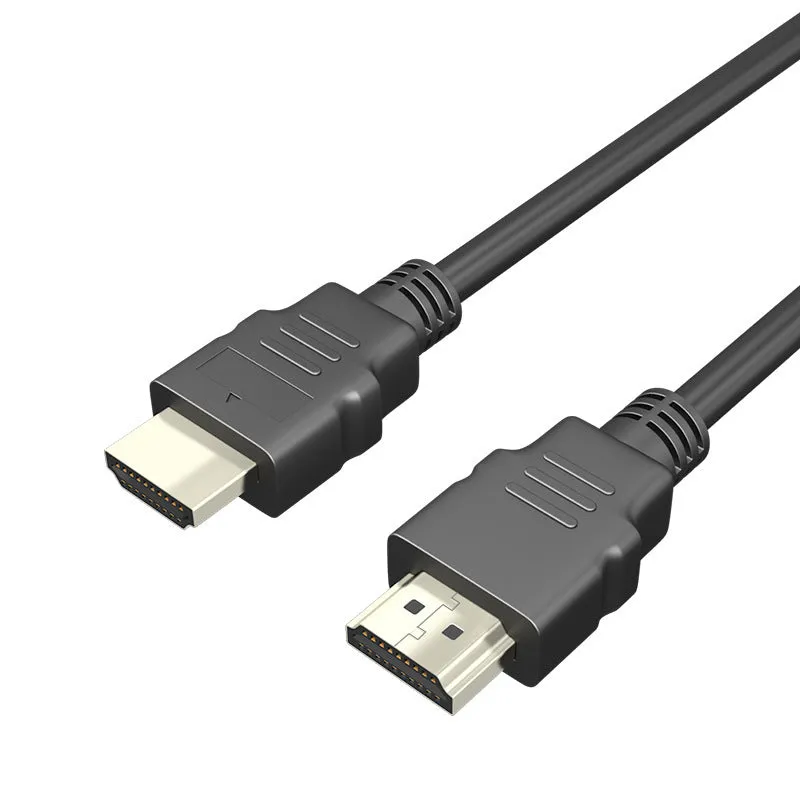
The cable's primary and stated use is for connecting set-top boxes, which are commonly provided by broadcast or satellite television services. Its role is to carry the decoded signal from the box to the display. Understanding where and how it will be used informs the choice of length and highlights its position as a fundamental link in the entertainment chain.
Event or Professional Use
For professional or temporary setups, such as a presentation or a viewing event, the longer cable options (3m or 5m) offer the flexibility to position the set-top box away from the main screen. This can be useful when the display is wall-mounted or placed on a stage, and the source equipment needs to remain accessible on a table or with the operator. The simple plug-and-play nature of HDMI makes these temporary installations quick to manage.
Everyday Home Use
In a living room or home cinema, the cable becomes a permanent or semi-permanent installation. The 1m or 1.5m lengths are suited for setups where the set-top box sits directly beneath or beside the television on the same stand. The black colour helps the cable blend discreetly against dark cabinetry or along skirting boards, maintaining a neat appearance. It serves as the essential, unseen bridge that brings broadcast and on-demand content to the screen.
Benefits and Buying Value
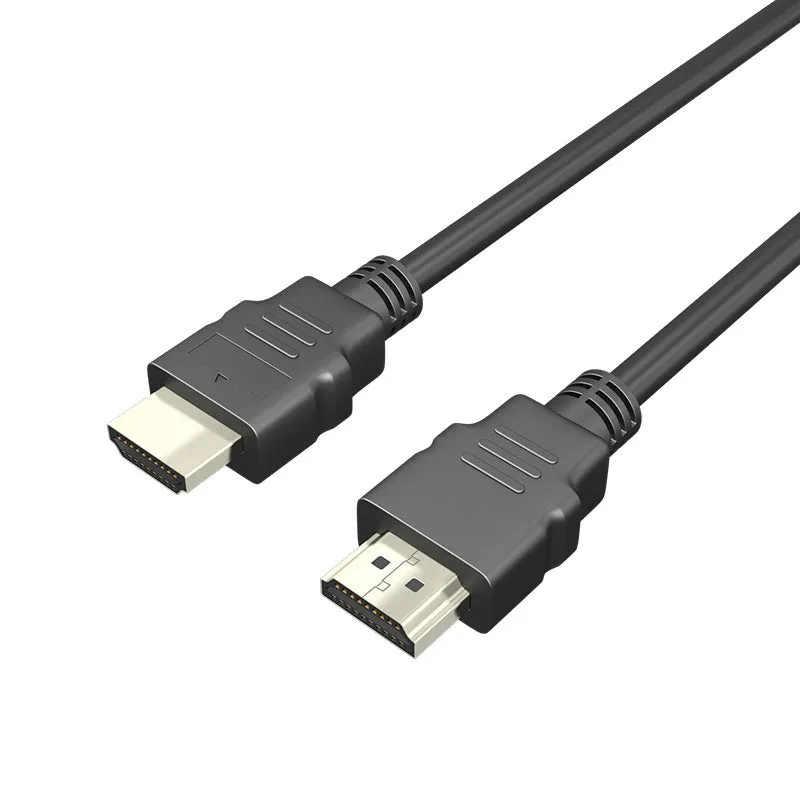
The value of this cable is rooted in its functionality and the practical problem it solves: creating a high-definition digital connection where one is needed. Its benefits are derived directly from its stated specifications—material choice and length options—rather than from unsupported claims about performance or longevity.
Reuse and Low Maintenance
As a passive cable with no electronics inside, it has no software to become outdated and is immune to most obsolescence. It can be reused in different setups; a cable bought for a living room can later be repurposed for a bedroom television if the length is suitable. Maintenance is minimal, requiring only occasional checks of the connectors for dust and ensuring the cable is not crushed or kinked, which are general best practices for any wired connection.
Why Choose This Product
You would select this HDMI cable if your requirement is a basic, reliable link for a set-top box and one of the four provided lengths matches your spatial needs. The copper-clad steel construction offers a robust core, and the nickel plating is a practical finish for the contacts. It is a focused product for a specific application, avoiding the cost and complexity of cables marketed with advanced features that may not be necessary for standard broadcast or streaming content delivery.