
Catalytic converter cleaner automotive additive formulated with polyether amine, dodecane, fatty acid ester, mineral oil, phosphate ester, and ferrocene to clean engine deposits in a 120ml bottle for petrol and diesel vehicles

Catalytic converter cleaner automotive additive formulated with polyether amine, dodecane, fatty acid ester, mineral oil, phosphate ester, and ferrocene to clean engine deposits in a 120ml bottle for petrol and diesel vehicles
120ml Catalytic Converter Cleaner Additive for Petrol and Diesel Engines
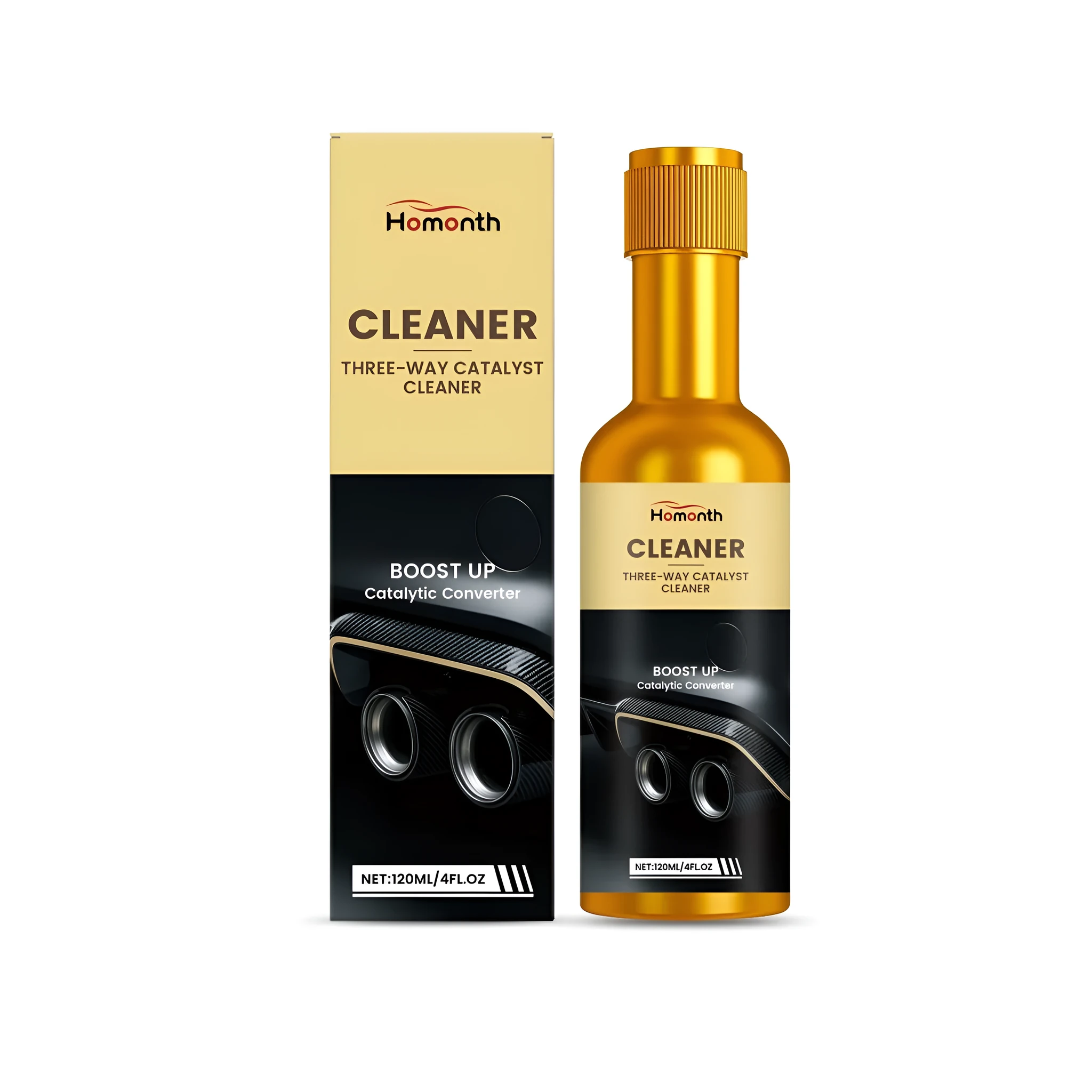
This catalytic converter cleaner is a fuel additive designed to help maintain the efficiency of your vehicle's exhaust after-treatment system. Deposits can build up over time within the catalytic converter and fuel injectors, potentially leading to reduced engine performance, increased fuel consumption, and higher emissions. This 120ml product contains a specific blend of active ingredients, including polyether amine and ferrocene, formulated to clean these internal passages. It is suitable for use in both petrol and diesel internal combustion engines, offering a straightforward maintenance step to support optimal vehicle operation.
Features and Construction
The product is defined by its precise chemical composition and single-dose packaging format. The following details outline its construction and practical application.
Material and Build
The cleaning agent is a liquid formulation composed of several key ingredients as stated: polyether amine, dodecane, fatty acid ester, mineral oil, phosphate ester, and ferrocene. This combination is engineered to target and dissolve carbon-based and other deposits that can accumulate within the catalytic converter's honeycomb structure and on fuel injector tips. The formula is contained within a single 120ml bottle, providing a complete treatment dose.
Size and Practical Fit
The product is supplied in a standard 120ml bottle. This volume is intended as a one-time treatment for a vehicle's fuel tank. It is a compact product that is easy to store and transport. Its use involves a simple process of adding it directly to the fuel, making it a practical maintenance item for vehicle owners without requiring specialist tools or garage time.
Uses and Placement
This additive serves a specific maintenance function within the broader context of vehicle care. Its use is tied to regular servicing or as a corrective measure for perceived issues.
Event or Professional Use
While primarily a consumer product, this cleaner can be used as part of a routine maintenance schedule by owners seeking to proactively care for their vehicle's emission system. It may also be employed as a preparatory step before emissions testing, helping to ensure the catalytic converter is functioning as intended. Mechanics and service centres might recommend or use such a product as a standard part of a fuel system service.
Everyday Home Use
For the everyday driver, this cleaner offers a user-friendly way to contribute to vehicle upkeep. It addresses common concerns related to rough idling, loss of power, or increased fuel consumption that can sometimes be linked to a clogged catalytic converter or dirty injectors. The application process is straightforward and can be performed by the vehicle owner during a routine refuelling stop.
Benefits and Buying Value
The value of this product lies in its targeted function and the practical benefits of maintaining a clean emission system.
Reuse and Low Maintenance
The product is a single-use treatment packaged in one 120ml bottle. It is not designed for reuse or partial application. The low-maintenance aspect comes from the simplicity of the treatment process itself—just one additive step during fuelling. Regular use as per maintenance intervals can help prevent severe deposit buildup, potentially avoiding more costly repairs or replacement of the catalytic converter unit.
Why Choose This Product
This catalytic converter cleaner provides a specific solution backed by a disclosed ingredient list, including polyether amine and ferrocene. It offers a measured 120ml dose, eliminating guesswork about how much to use. Its suitability for both petrol and diesel engines broadens its applicability. Choosing this product is about selecting a defined, task-specific additive for a common automotive maintenance need.