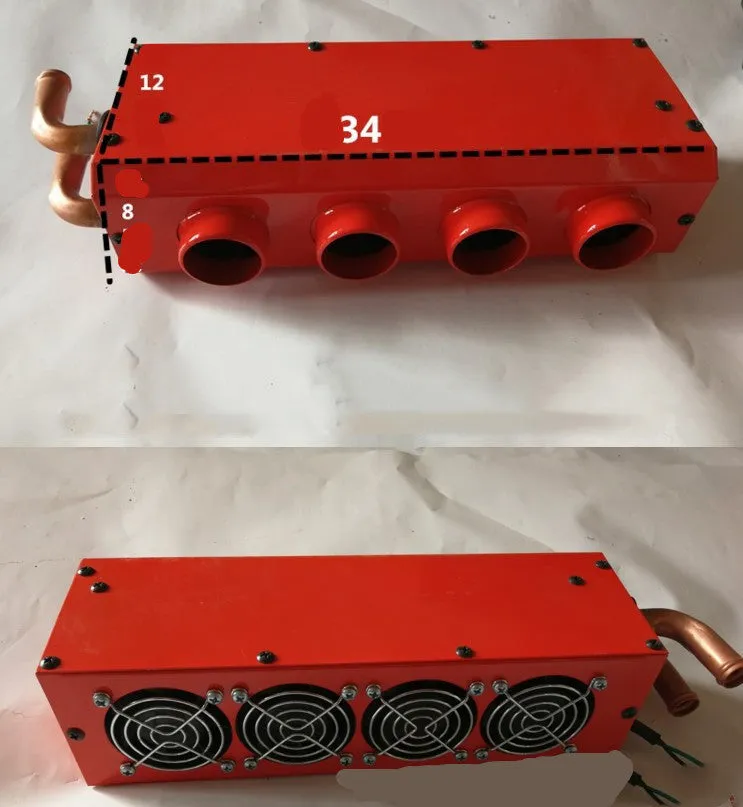
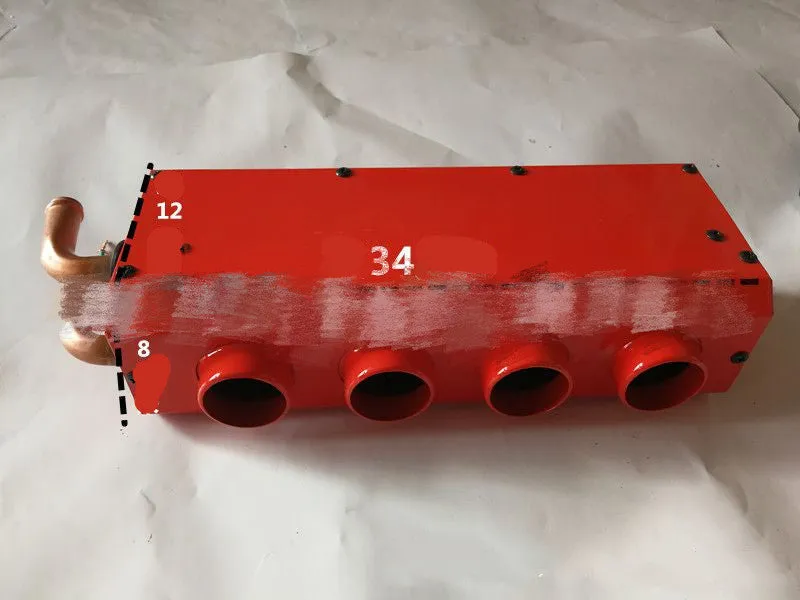
Car heater 12V 24V 60W manual adjustment small four-hole copper pipe automotive heating unit 34cm long metal construction uses engine waste heat with blower to defrost windscreen and warm cab interior


Car heater 12V 24V 60W manual adjustment small four-hole copper pipe automotive heating unit 34cm long metal construction uses engine waste heat with blower to defrost windscreen and warm cab interior
12V 24V 60W Manual Car Heater with Small Four-Hole Copper Pipe Design for Engine Waste Heat Recovery
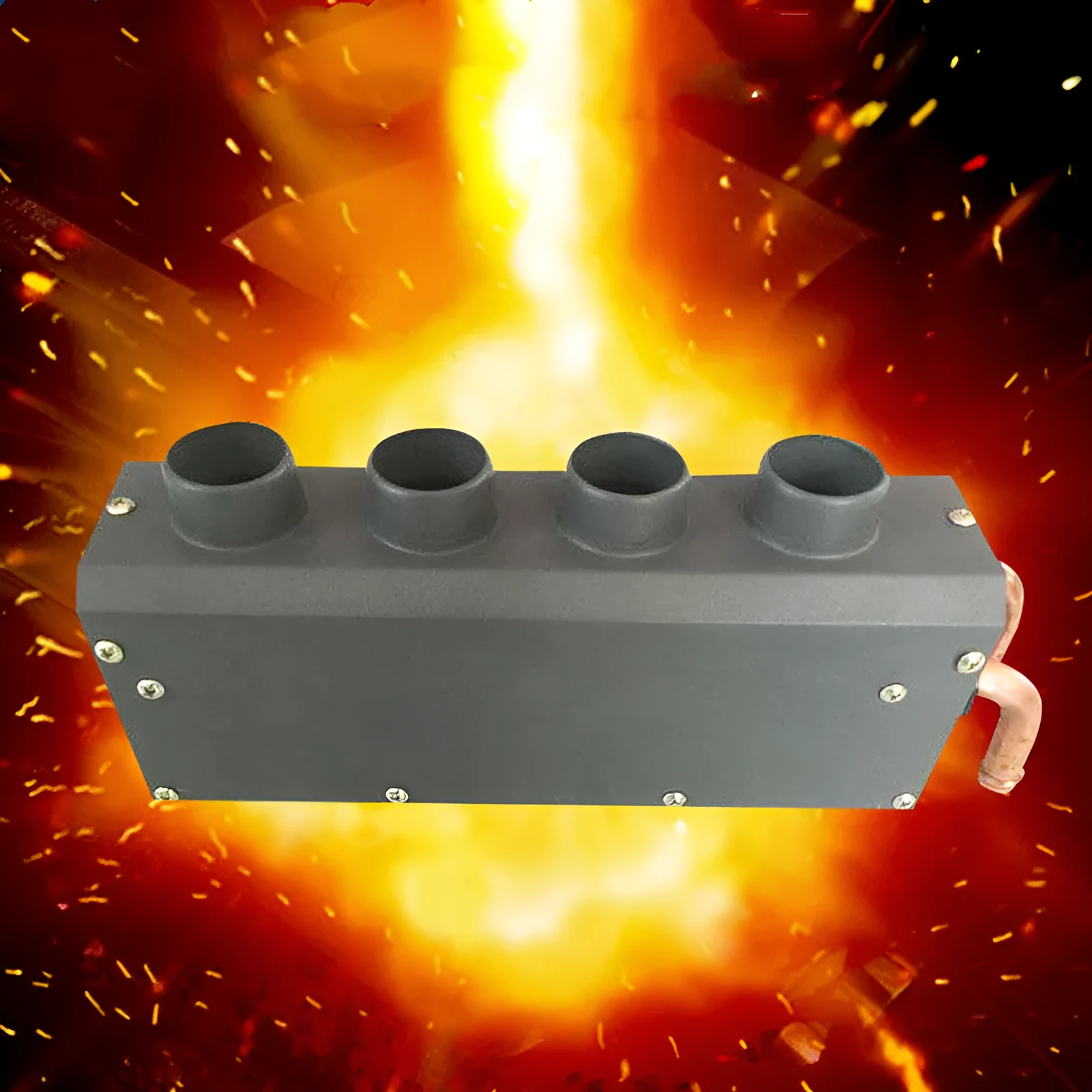
This supplementary automotive heating unit is engineered to increase cabin comfort by capturing and utilising thermal energy that would otherwise be wasted. Designed for vehicles with 12V or 24V electrical systems, the 60W heater operates by tapping into the engine's cooling circuit. A blower delivers the warmed air into the vehicle interior, and this airflow can also be directed towards the windscreen to aid in defrosting and de-icing, improving driver visibility in cold conditions. The manual adjustment mode provides direct control over the heating output, allowing you to tailor the warmth to your immediate needs without complex automatic systems.
Features and Construction
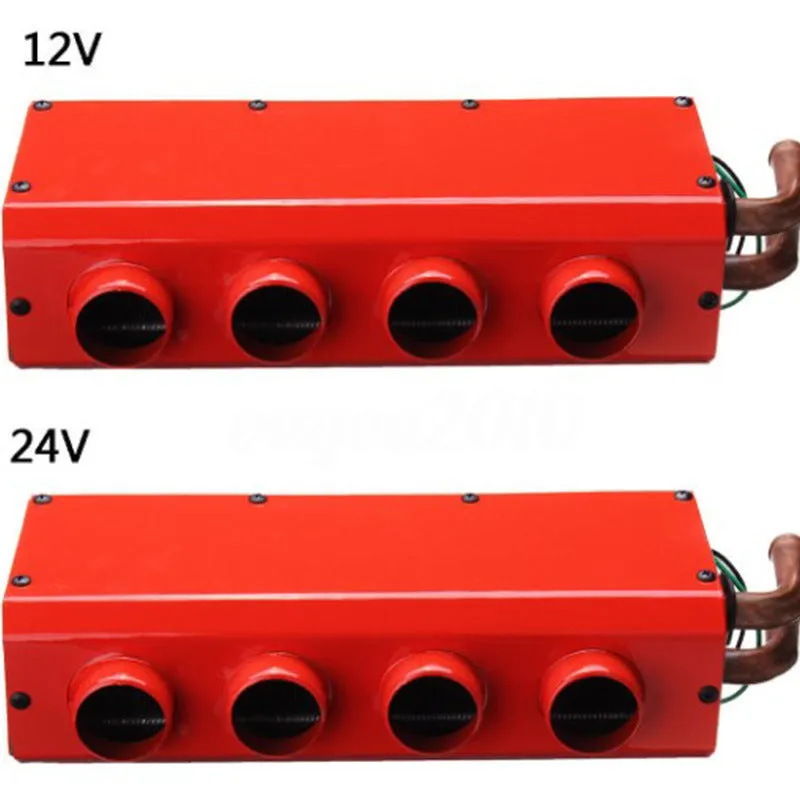
The heater's build centres on practical, heat-efficient materials and a compact form factor suited to vehicle installation. Its core function relies on integrating with your car's existing cooling system to transfer thermal energy efficiently.
Material and Build
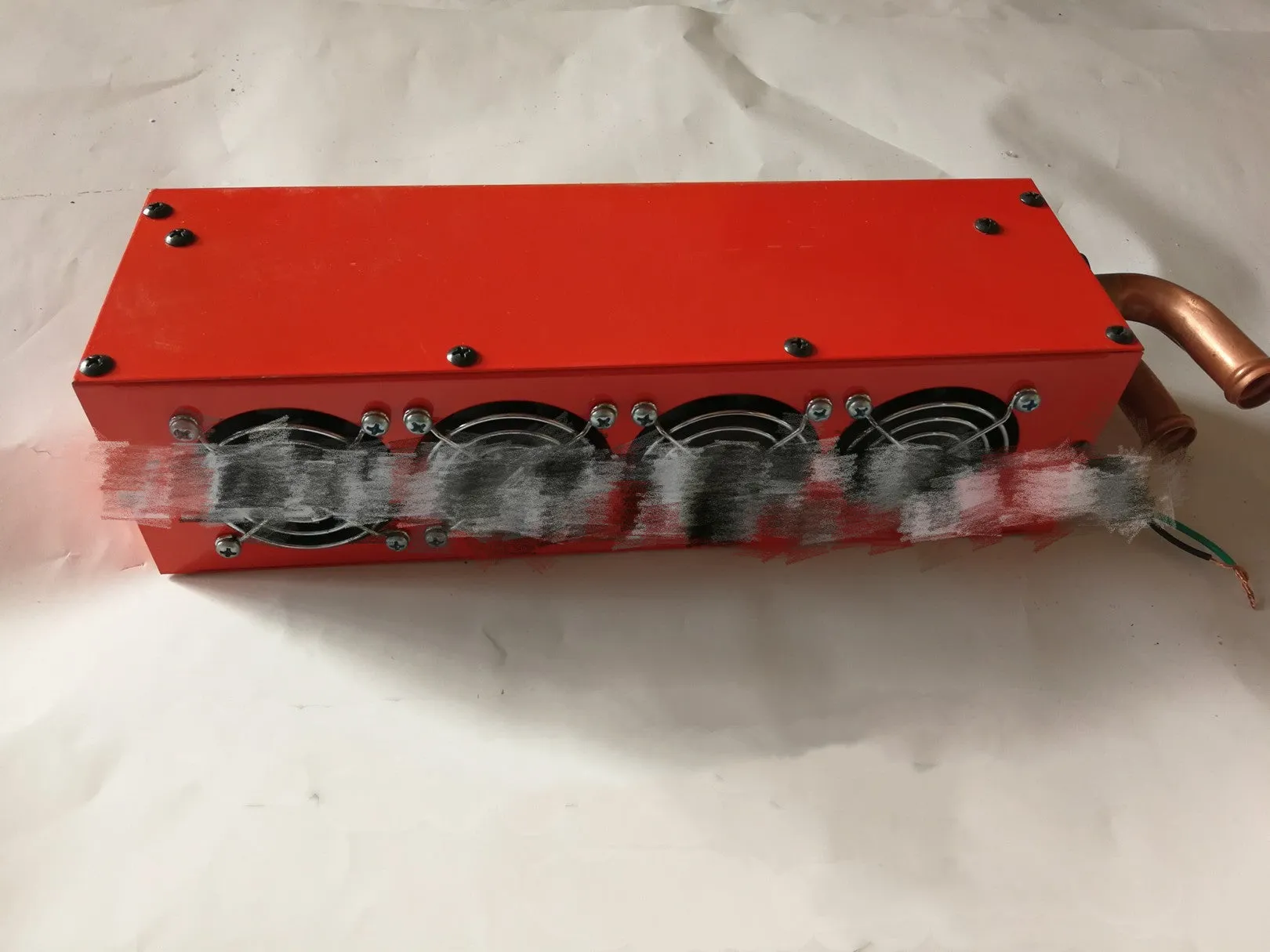
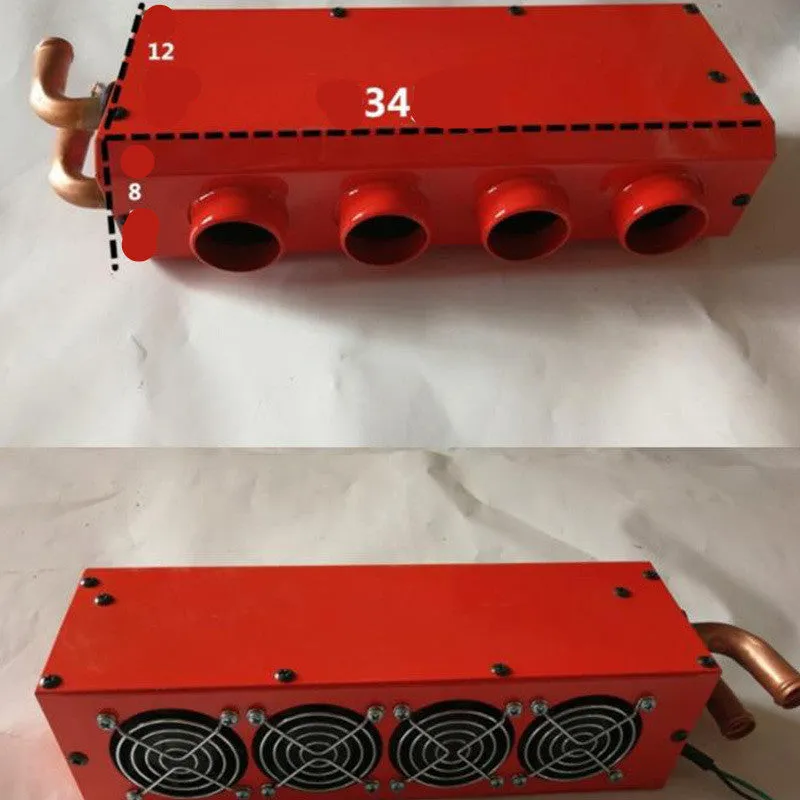
The unit's primary construction is metal, chosen for its durability and ability to withstand the engine bay environment and coolant temperatures. The key thermal transfer component is a small, four-hole copper pipe assembly. Copper is used for its excellent thermal conductivity, helping to maximise the heat captured from the engine's coolant and transferred to the air stream pushed by the blower. This material choice focuses on functional heat exchange rather than decorative appeal.
Size and Practical Fit
With external dimensions of 34cm in length, 12cm in width, and 8cm in height, the heater is designed to be a relatively compact addition. This size allows for installation in various engine compartments or under-dash locations, subject to the specific vehicle's layout. The unit requires connection via its two water pipe joints for the coolant flow in and out, and its electrical connections for the 5A, 12V/24V DC motor that drives the blower. Planning the hose routing and securing the unit are important steps during fitting.
Uses and Placement
This product serves a dual purpose: enhancing passenger comfort and contributing to safer winter driving. Its installation transforms wasted engine heat into a useful resource for the vehicle's interior environment.
Event or Professional Use
For users who operate vehicles in consistently cold climates or for extended periods, such as taxi drivers, delivery drivers, or tradespeople working from their vans, this heater provides a reliable source of supplementary warmth. It can help maintain a comfortable cab temperature without solely relying on the vehicle's standard heating system, which may be less effective at idle or in extreme cold. The ability to direct warm air to the windscreen is particularly valuable for professional drivers who need to keep windows clear for safety and regulatory compliance throughout their shift.
Everyday Home Use
For personal vehicle owners, this heater offers a practical upgrade for winter motoring. It can provide faster warm-up times for the cabin or supply additional heat in older vehicles where the standard heater performance has diminished. The manual control allows the driver or passengers to adjust the output easily, making cold morning commutes or long family journeys more comfortable. Its function as a defrosting aid can save time on frosty mornings by helping to clear the windscreen more quickly.
Benefits and Buying Value
The value of this product lies in its utilisation of existing vehicle energy and its straightforward operational design. It offers a focused solution for a specific comfort and safety need.
Reuse and Low Maintenance
The core principle of this heater is the reuse of thermal energy that the engine generates regardless. By capturing a portion of the waste heat from the cooling system, it adds functionality without significantly increasing fuel consumption solely for heating. Once installed correctly with the coolant lines purged of air, the system requires minimal ongoing maintenance, largely mirroring the care required for the vehicle's standard cooling system. Its mechanical manual controls are simple and have fewer potential failure points than complex electronic modules.
Why Choose This Product
This unit is selected for its specific technical approach: a metal and copper construction built for heat transfer, compatibility with common 12V/24V systems, and a dual-use design for both heating and defrosting. It suits those seeking a tangible, installable solution to improve in-car comfort, particularly in vehicles where the standard heating is insufficient or for use in very cold conditions. The requirement for technical installation involving hose cutting and electrical connection means it is aimed at users with appropriate mechanical knowledge or who plan to have it professionally fitted.