
Apple compatible memo pad with 30 pages, portable notebook for iPhone users, available in four blue tulip designs and dogo dogo styles with blank or horizontal line paper options.


Apple compatible memo pad with 30 pages, portable notebook for iPhone users, available in four blue tulip designs and dogo dogo styles with blank or horizontal line paper options.
Apple-Compatible Memo Pad: 30 Pages with Four Design Options and Two Paper Styles

This memo pad offers iPhone users a straightforward solution for daily note-taking without requiring Apple-branded accessories. With 30 pages of writing paper, it provides sufficient capacity for quick lists, planning notes, or temporary records while maintaining a portable format. The product addresses the basic need for accessible writing space that complements digital devices, serving as a physical backup or preference alternative to phone notes. Its compatibility with iPhone models makes it immediately usable without additional purchases or setup.
Features and Construction

The memo pad's construction focuses on functional simplicity with clear material choices that define its capabilities and limitations. Each component serves a specific practical purpose rather than decorative ambition.
Material and Build
The cover consists of standard paper material, providing basic protection for the interior pages while keeping the product lightweight. Inside, 30 sheets of writing paper offer the writing surface, secured within an OPP bag that forms the note box container. This material selection creates a disposable product intended for single-cycle use rather than long-term durability. The construction prioritises immediate functionality over extended lifespan.
Size and Practical Fit
The rectangular shape follows standard memo pad proportions, designed for easy handling and storage alongside phones or in bags. While exact measurements aren't specified, the format suggests compatibility with common storage spaces like pockets, desk drawers, or small organisers. The 30-page count balances usable capacity with slim profile maintenance, avoiding bulkiness while providing reasonable writing space before replacement is needed.
Uses and Placement

The memo pad serves multiple practical scenarios where quick physical notes outperform digital alternatives or supplement phone functionality. Its design choices support both spontaneous and planned usage patterns.
Event or Professional Use
For meetings, conferences, or classes, the horizontal line option provides structured note-taking with consistent spacing. The Apple compatibility ensures iPhone users can quickly transition between device and paper without compatibility concerns. The four design options allow subtle personalisation in professional settings, with the blue tulip pattern offering a neutral aesthetic suitable for various environments.
Everyday Home Use
At home, the memo pad functions as a shopping list, reminder board, or message centre. The blank page option supports free-form sketching, brainstorming, or irregular note formats. Its portable nature allows movement between rooms or外出, while the OPP bag construction provides minimal moisture resistance for kitchen or workshop environments. The dogo dogo and fun pattern designs add visual interest to household organisation.
Benefits and Buying Value
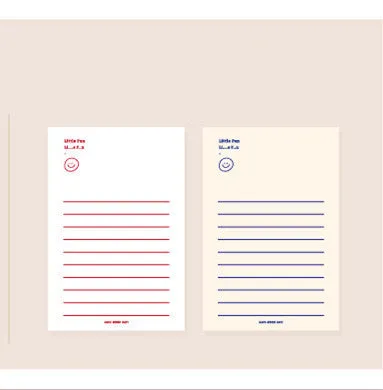
The product's value derives from its specific feature combinations that address particular user needs rather than generic superiority claims.
Reuse and Low Maintenance
As a paper-based product, the memo pad requires no charging, software updates, or technical maintenance. The 30-page count provides multiple usage sessions before replacement, while the simple construction means no moving parts to malfunction. Users control data privacy physically without digital security concerns.
Why Choose This Product
This memo pad distinguishes itself through specific feature combinations: Apple compatibility without brand restrictions, four design options including the distinctive blue tulip pattern, and choice between blank or lined paper styles. These elements create a product that serves particular preferences rather than attempting universal appeal. The clear material specifications allow informed decisions about appropriate use cases and limitations.


